Action Adventure ['ækʃən ədˌventʃər]
In these games, you have to fight, solve puzzles and overcome active challenges.
Avatar [avaˈtaːɐ̯]
An avatar is a virtual or graphical character that acts on behalf of the player in the game’s virtual world. You can usually customise its appearance yourself.
Boss [bɒs]
A boss is an enemy in a game, often the final boss, who is usually difficult to defeat.
Character class [ˈkær.ək.tər klɑːs]
Most role-playing games feature archetypes as character classes from which you can choose, such as the warrior or the mage. These can vary depending on the genre and setting.
Cutscene [ˈkʌt.siːn]
This refers to an edited sequence of images or video that is shown to you and which you can only watch (similar to a film), for example after completing a level, to reveal the outcome.
Ego perspective [ˈiː.ɡəʊ pəˈspek.tɪv]
It refers to the perspective from your point of view, that is, through the eyes of your avatar.
(E)XP [iː ɛks piː]
Stands for ‘Experience Points’. You collect these as you play, for example by completing quests or levels, or by defeating enemies. XP makes your character stronger, as you can use it to unlock new skills.
Faction [ˈfæk.ʃən]
A faction is a playable group within the game universe that pursues common goals or espouses a particular ideology.
Game [ɡeɪm]
Colloquially, this term is used primarily to refer to video games that create interactive worlds and are structured by content and rules. In this exhibition, analogue games are explicitly included.
GG [dʒiː dʒiː]
Stands for ‘Good Game’ and is said to fellow players when the game they’ve played together has been fun and/or challenging.
HUD (Head-Up-Display) [hʌd]
Refers to an in-game information display that shows you, for example, health points, directions or maps. These provide you with additional guidance within the game world.
Item [ˈaɪ.t̬əm]
Exactly what it means: objects that you can use and that can help you, such as swords or potions.
Let’s Play [ˈlɛt͡s ˈplɛɪ̯]
In Let’s Plays, viewers can follow other people’s gaming experiences through a video recording with commentary and get a feel for the game.
Level [ˈlev.əl]
A level is a section of a game that builds on the previous one, forming the game‘s structure. As the game progresses, the difficulty, objectives and challenges increase.
Loot [luːt]
You can find or obtain loot in a game. It often takes the form of rewards following a battle or a completed quest, from which you can choose.
NPC [ˌen.piːˈsiː]
Stands for ‘non-playable character’. NPCs are not controlled by players and are typically the inhabitants of the game world. Nevertheless, they can occasionally interact with your avatar, for example by giving you tasks to complete.
Open World [ˌoʊ.pən ˈwɝːld]
This refers to games based on a map that you explore as the game progresses. You can move around freely within this world: you can decide for yourself where to go.
Party [ˈpɑːr.t̬i]
Refers to a group of player characters and NPCs that you team up with. Such a team usually consists of a variety of characters with different abilities.
PvP [ˌpiː.viːˈpiː]
Stands for ‘Player vs. Player’ and refers to a mode in games where you play against other players.
PvE [ˌpiː.viːˈiː]
Stands for ‘Player vs. Environment’. In this mode, you play against the game’s environment and must defeat the computer-controlled opponents. The main focus here is on developing your character and completing tasks, which is why fantasy games are often PvE.
Quest [kwest]
A quest is a task that you have been given in a game. There are usually main quests, which drive the story, and side quests, which are optional. You receive rewards (loot) for completing quests successfully.
Raid [reɪd]
A ‘raid’ refers to the plundering of a game area or to a group of players (raid party).
Roguelike [ˈroʊɡlaɪk]
This refers to a subgenre or type of role-playing game, named after a classic from 1980. These games are characterised by turn-based gameplay and the regular occurrence of character death without the ability to save progress, meaning that all progress is lost and the game often has to be restarted from the beginning.
Setting [ˈset̬.ɪŋ]
The setting describes where the story or the whole game is set – that is the location, time, atmosphere and theme. In addition, “settings” refers to the options, such as those for graphics quality or volume.
Skill [skɪl]
Skills are the abilities your avatar possesses. You can usually develop them within the game. The term can also refer to your own abilities as a player.
Story [ˈstɔːr.i]
The story is the narrative you experience in a game. The entirety of the stories, knowledge and background information relating to the game is also known as “lore”.
Third-Person-Perspektive [ˌθɝːd ˈpɝː.sən]
Unlike the first-person perspective, here you view the events from a third-person perspective, i.e. you are looking at your avatar from the outside.
Top-Down [ˌtɑːpˈdaʊn]
This refers to the bird’s-eye view you have of the game. You look down on the game world from above, just like a bird.


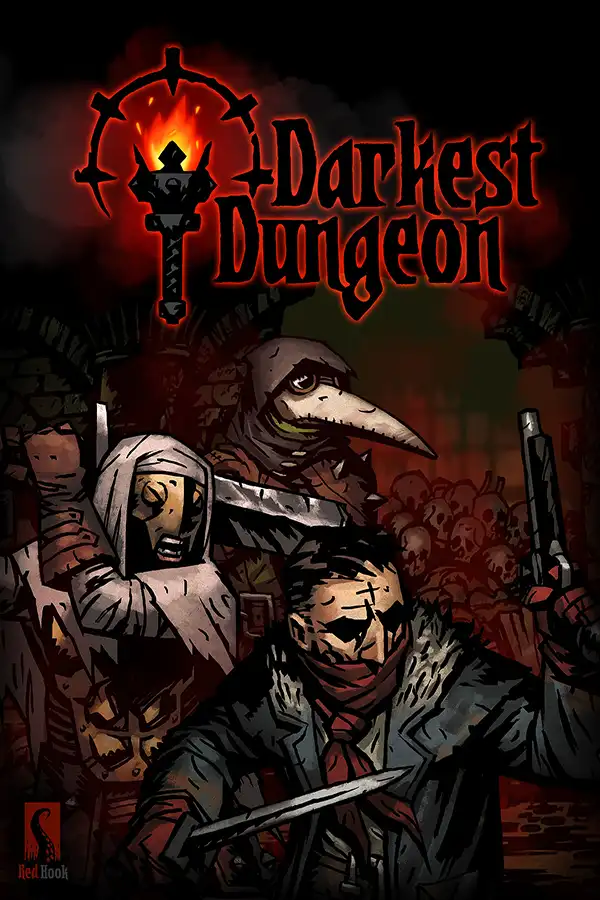 Darkest Dungeon
Red Hook Studios, Sickhead Games · 2016 · Role-playing game, roguelike
Darkest Dungeon
Red Hook Studios, Sickhead Games · 2016 · Role-playing game, roguelike
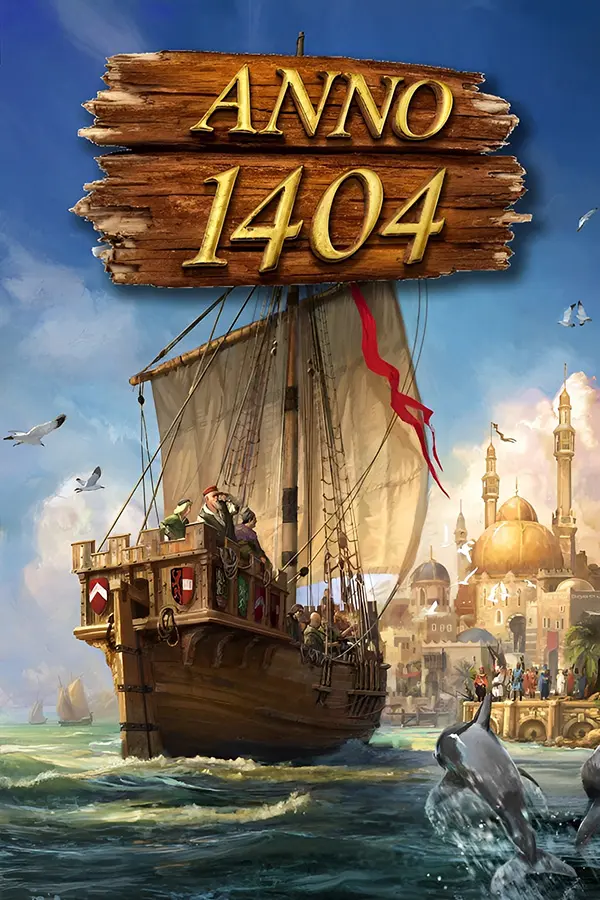 Anno 1404
Related Designs, Blue Byte · 2009 · Development strategy
Anno 1404
Related Designs, Blue Byte · 2009 · Development strategy
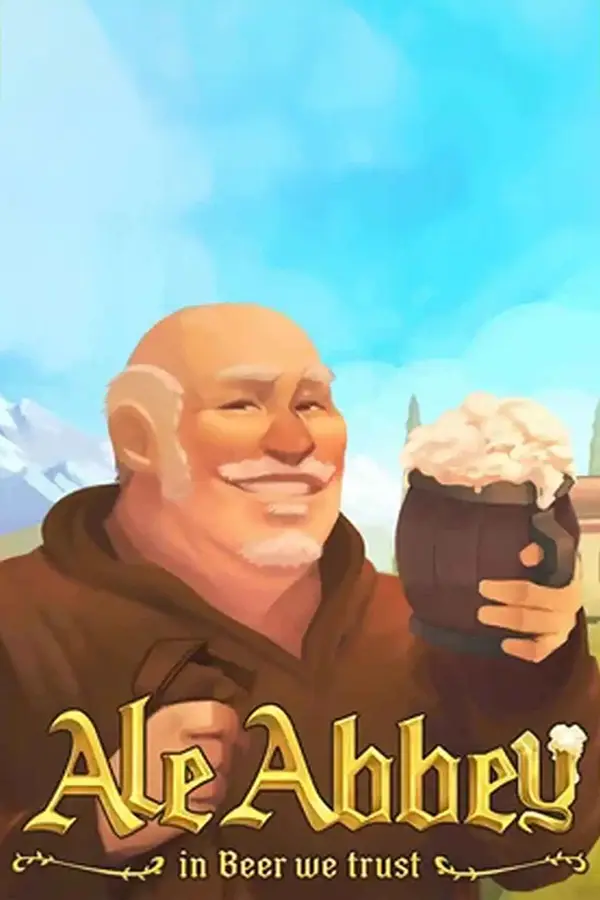 Ale Abbey – Monastery Brewery Tycoon
Hammer & Ravens · 2025 · Economic simulation
Ale Abbey – Monastery Brewery Tycoon
Hammer & Ravens · 2025 · Economic simulation
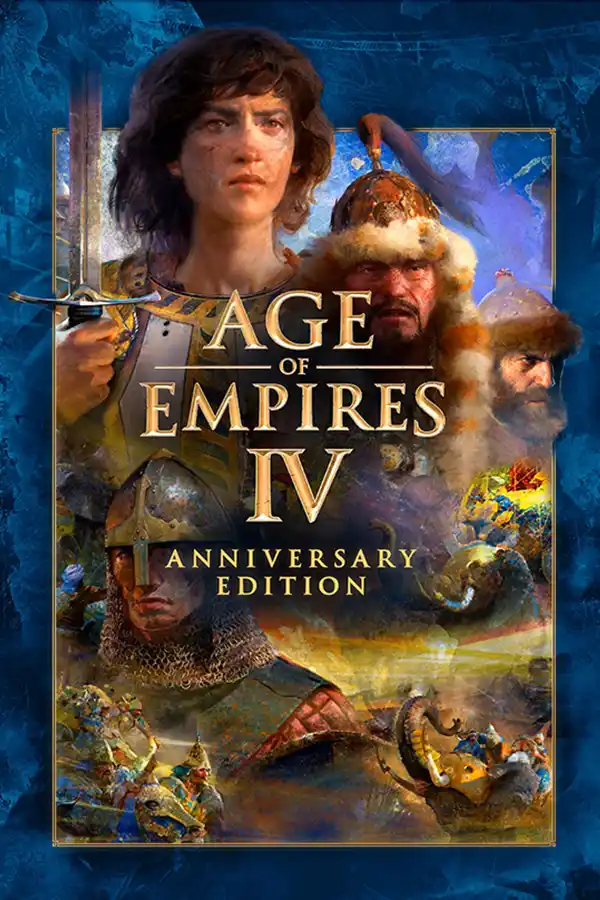 Age of Empire IV
Relic Entertainment · 2021 · Real-time strategy
Age of Empire IV
Relic Entertainment · 2021 · Real-time strategy
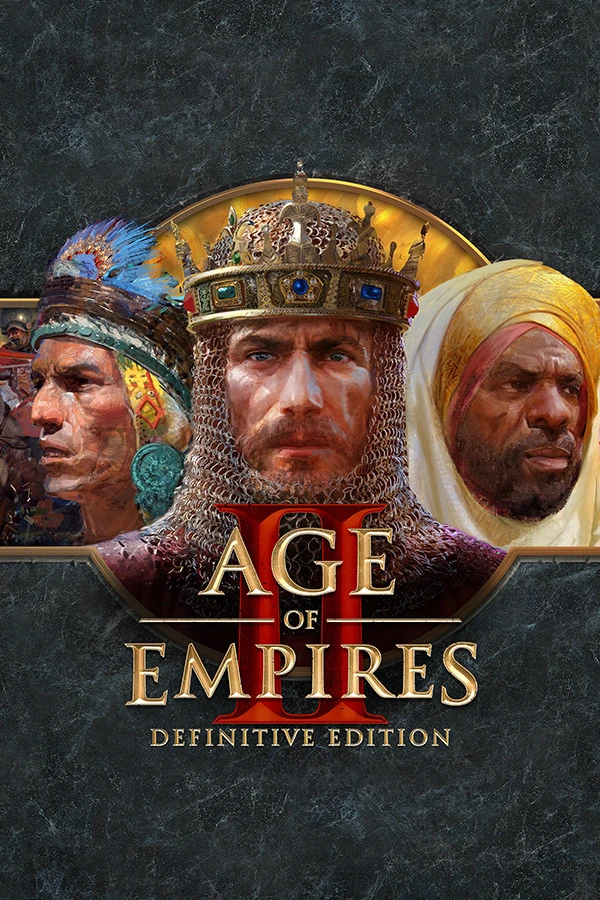 Age of Empires II: Definitive Edition
Ensemble Studios · 1999 · Real-time strategy
Age of Empires II: Definitive Edition
Ensemble Studios · 1999 · Real-time strategy
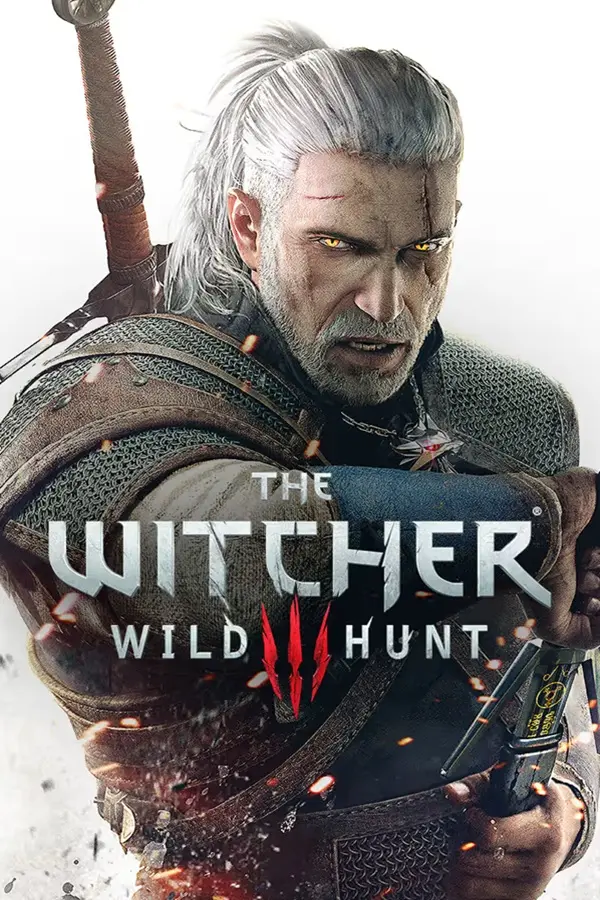 The Witcher 3: Wild Hunt
CD Projekt RED · 2015 · Action-RPG
The Witcher 3: Wild Hunt
CD Projekt RED · 2015 · Action-RPG
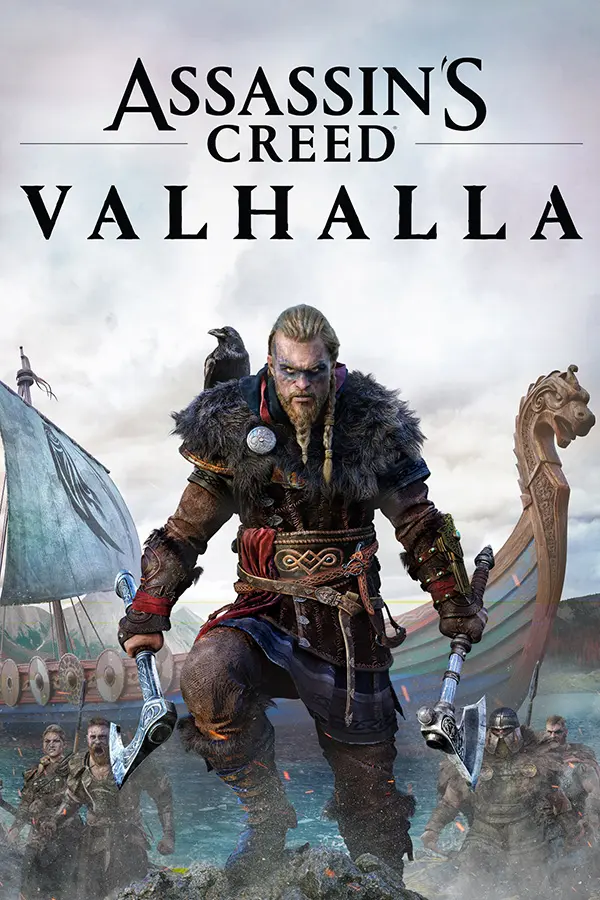 Assassin’s Creed: Valhalla
Ubisoft Montreal · 2020 · Action-Adventure
Assassin’s Creed: Valhalla
Ubisoft Montreal · 2020 · Action-Adventure
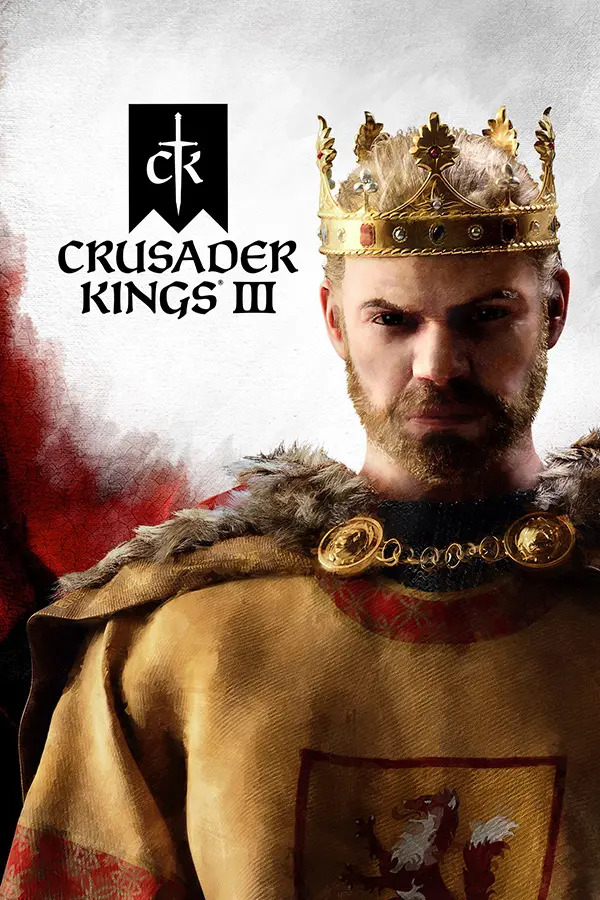 Crusader Kings III
Paradox Interactive · 2020 · Strategy, Role-playing
Crusader Kings III
Paradox Interactive · 2020 · Strategy, Role-playing
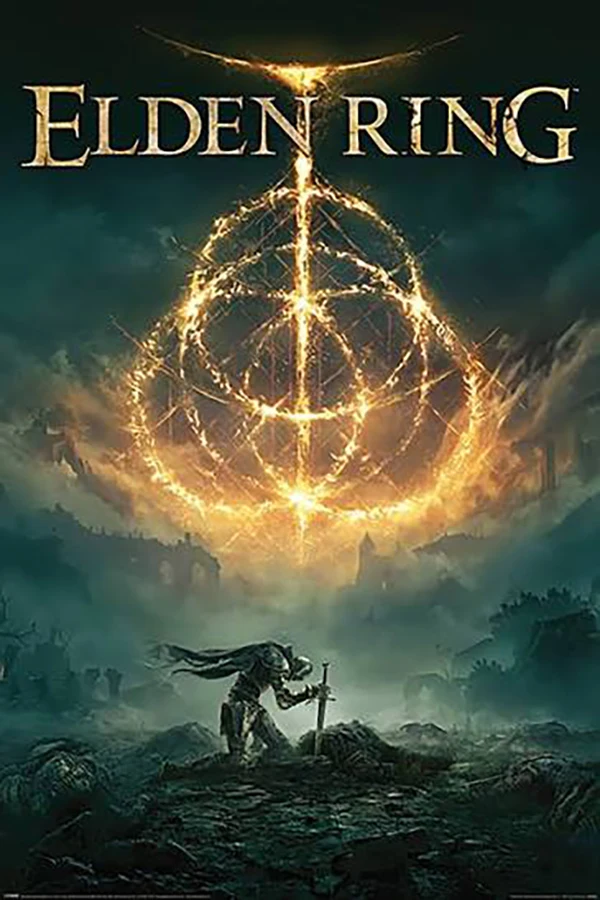 Elden Ring
FromSoftware · 2022 · Action-RPG
Elden Ring
FromSoftware · 2022 · Action-RPG
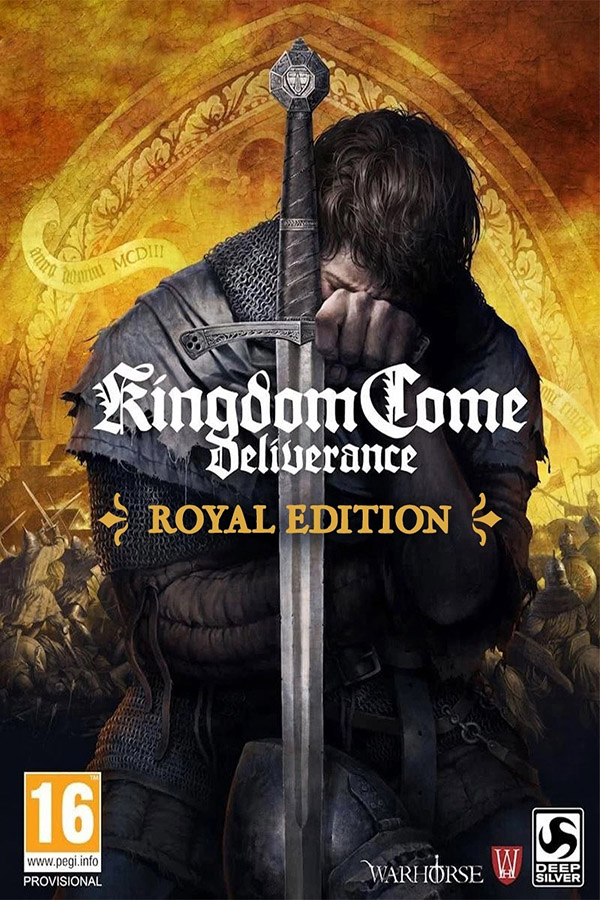 Kingdom Come: Deliverance I+II
Warhorse Studios · 2018 / 2025 · Action-RPG
Kingdom Come: Deliverance I+II
Warhorse Studios · 2018 / 2025 · Action-RPG