Skip to content

How games tell history

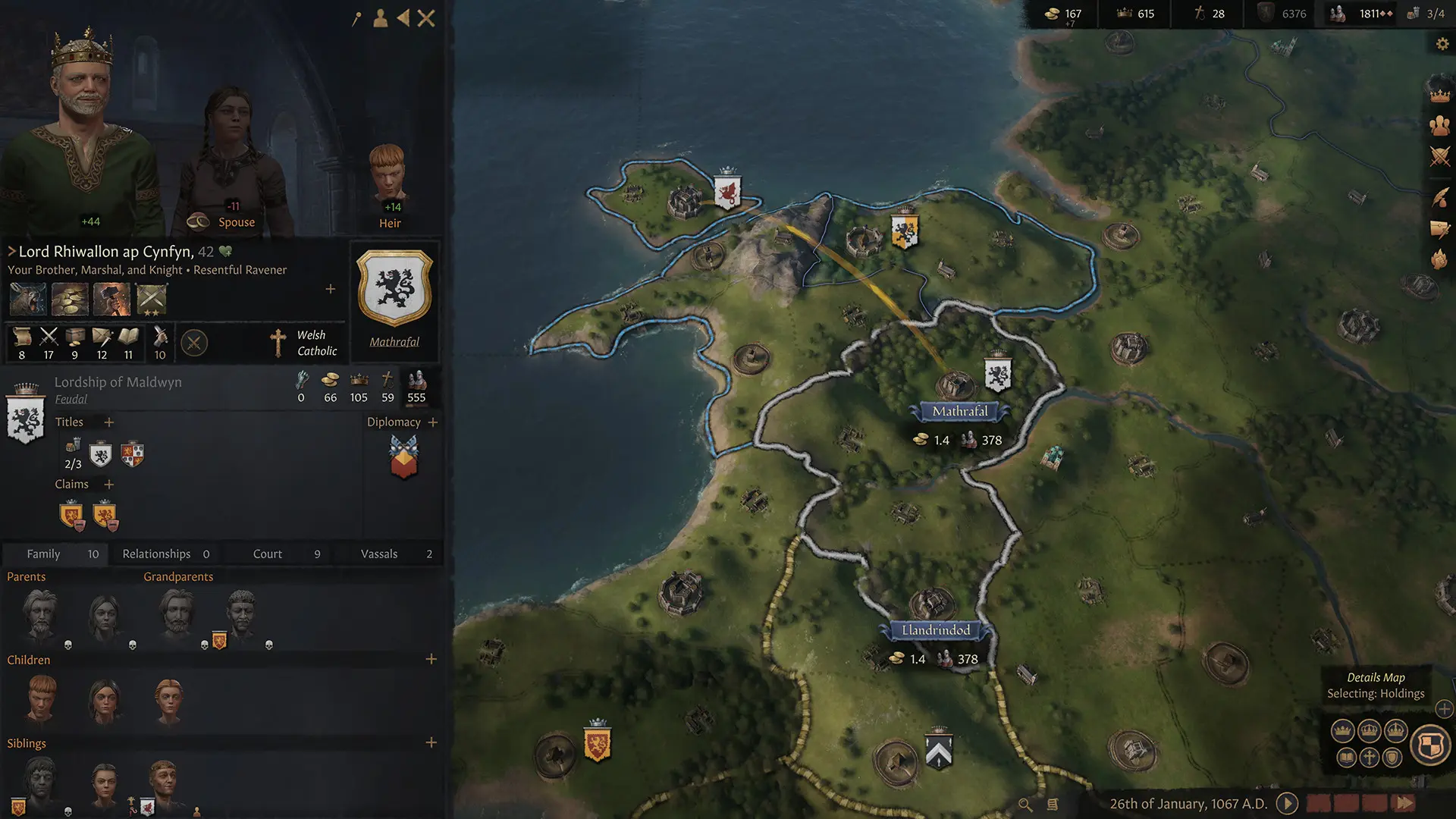
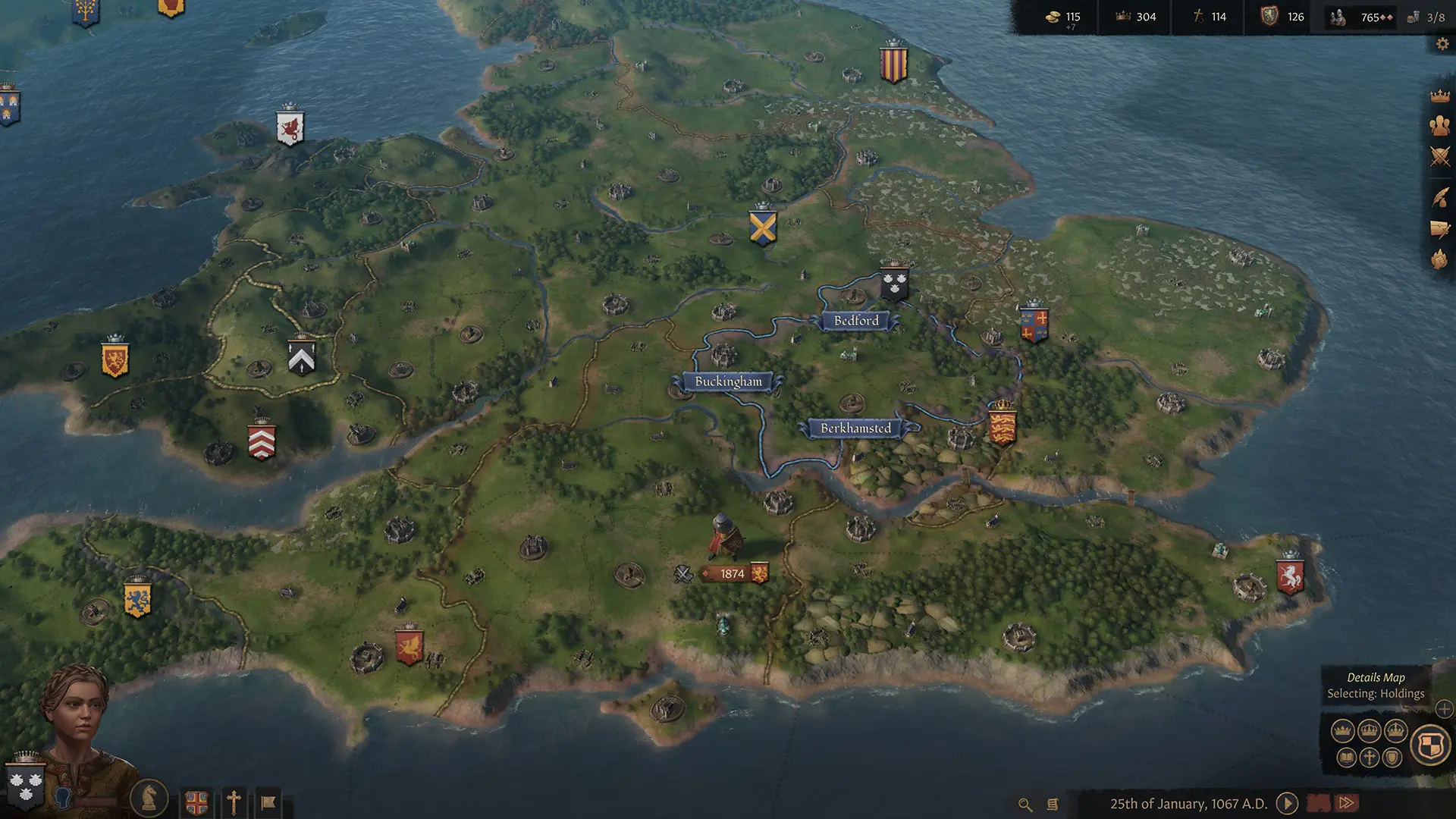
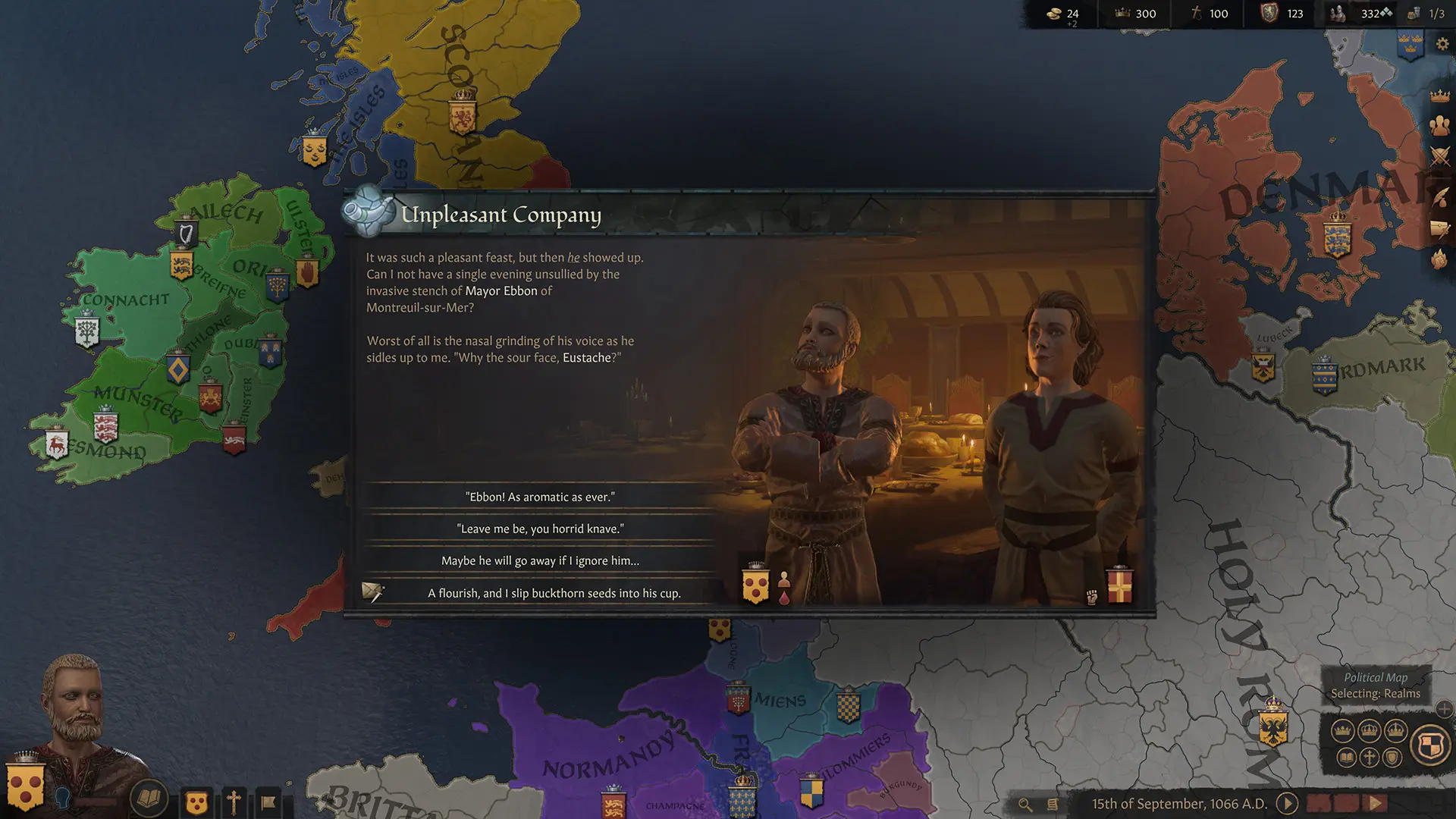
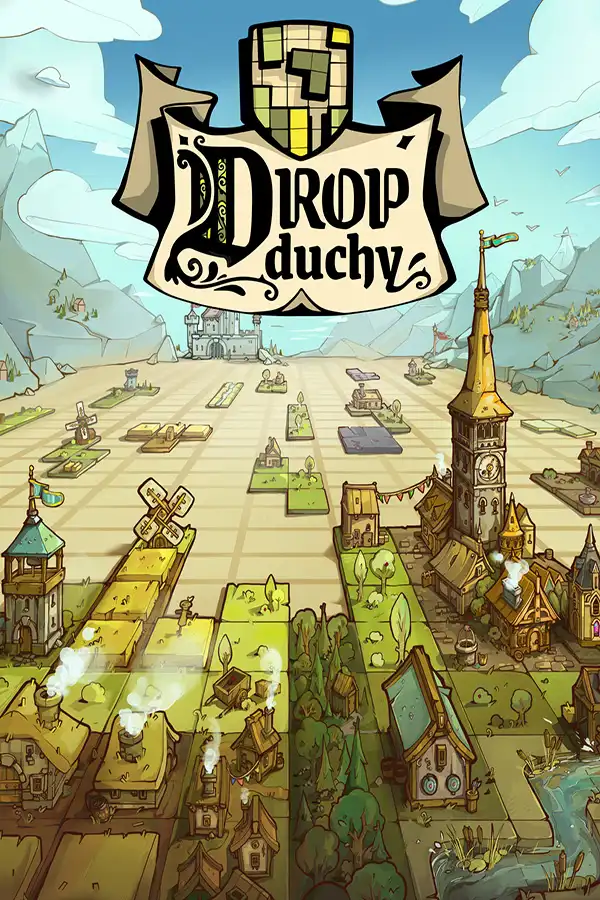
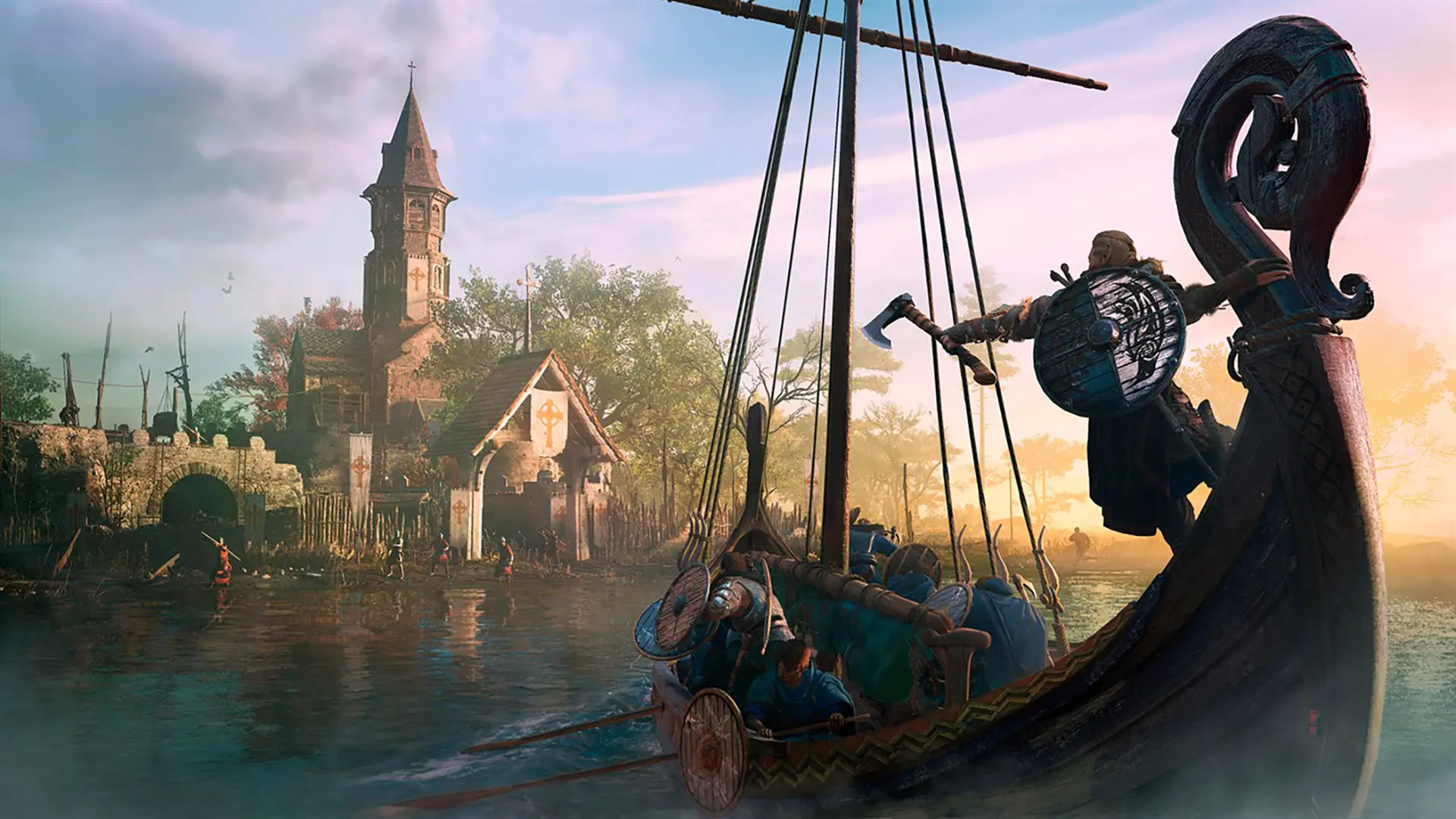
Digital and analogue games are the most popular cultural medium of our time. A significant proportion of them are set in a historical context, particularly the Middle Ages.

Did you know that there is more than one version of the Middle Ages today? From romanticised idealisation to grim dystopia, the Middle Ages presents itself to us in various forms.

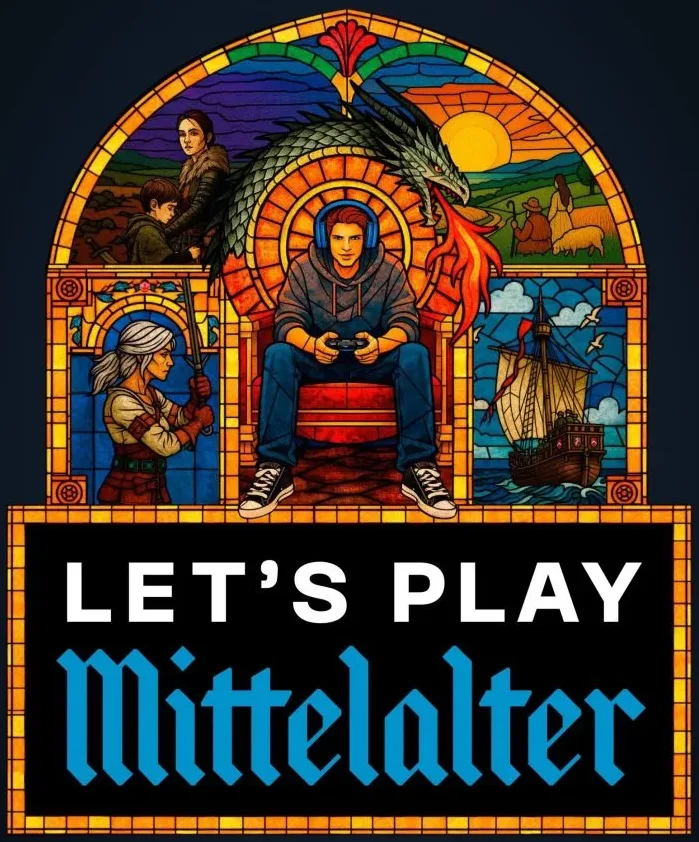
Let's Play Mittelalter — Buntglasfenster mit Gamer auf dem Thron, Drache, Hansekogge und Schwertkämpferin

One era, two pictures

Romantic

The idyllic Middle Ages

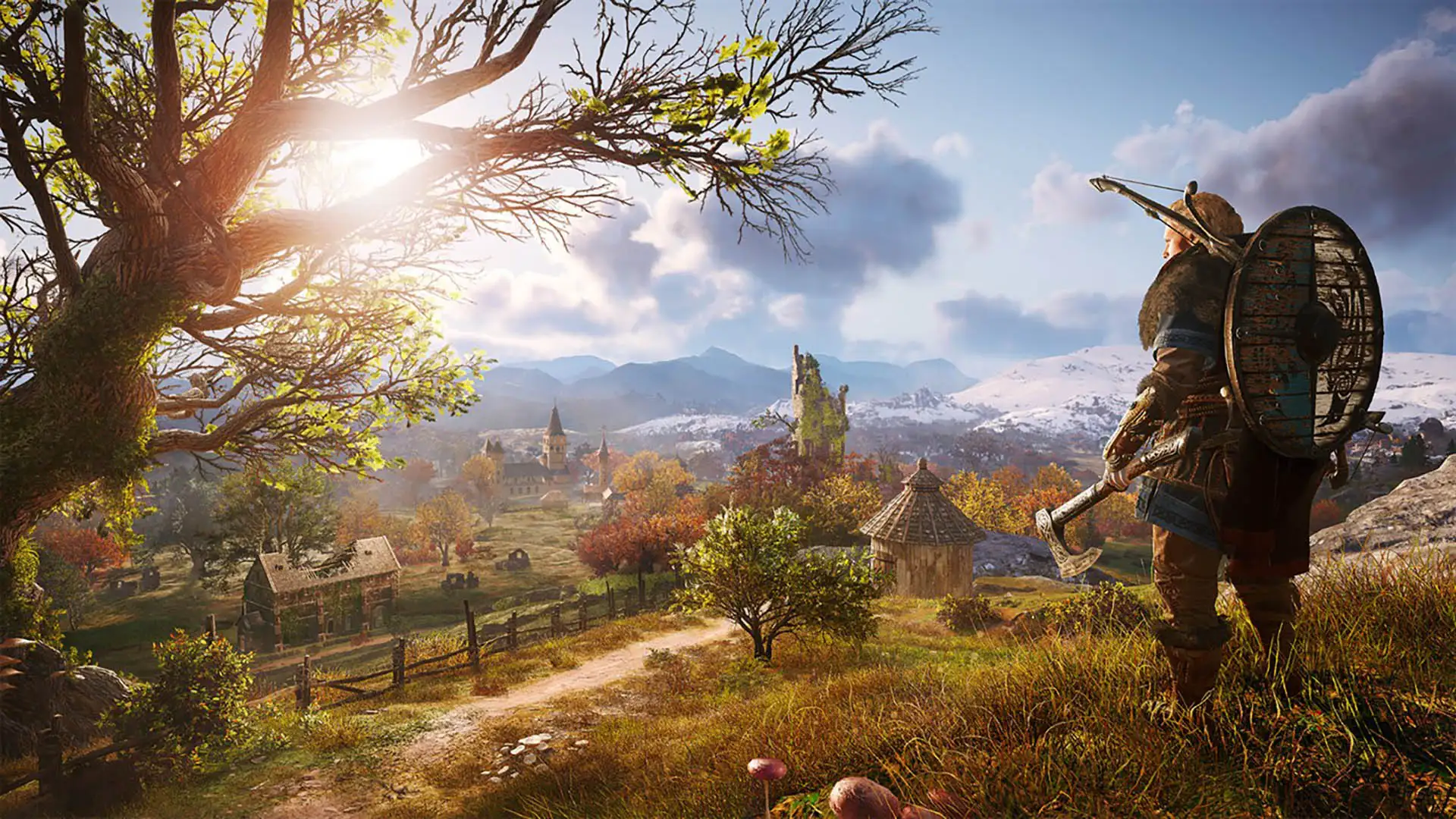
In the romanticised view, the Middle Ages are seen as a time of longing, full of knights, castles, festivals and adventures. Knights are often portrayed as brave heroes who fight for honour and justice. Castles, medieval markets and magnificent festivals also convey the impression of an exciting and extraordinary era. Added to this is the idea of unspoilt nature and landscapes. This notion was shaped above all during the Romantic period and the formation of nation states in the 19th century.

Gloomy

The dark Middle Ages

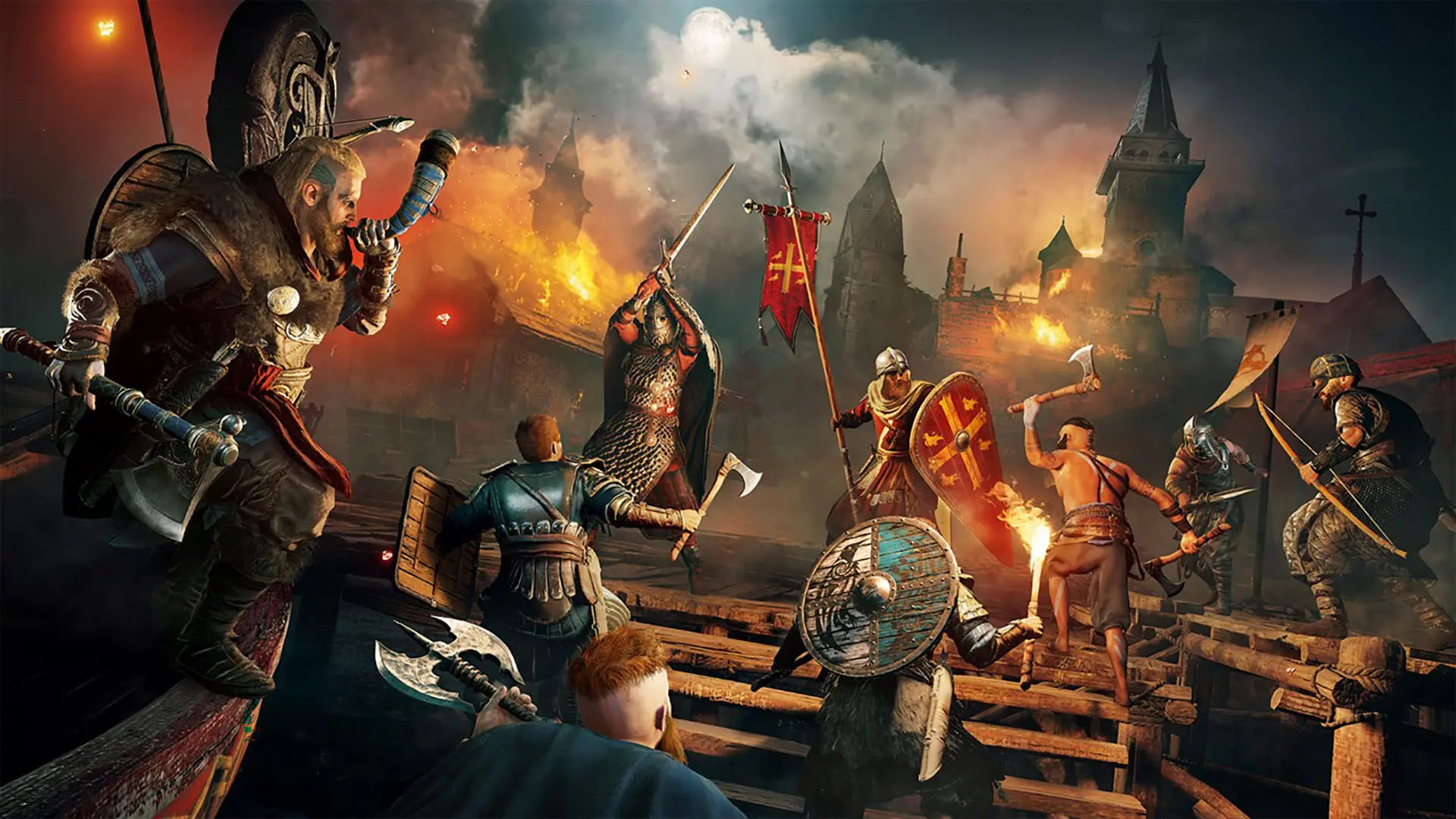
In contrast to this is the bleak image of the Middle Ages. Here, the period is primarily associated with war, violence, poverty, disease and poor living conditions. People lived without the benefits of the modern age. Particularly powerful in this regard is the notion of a church that oppressed everything. Consequently, the Middle Ages are often portrayed as a harsh and uncertain time, which, thankfully, has been left behind.

Today’s ideas

What is true?

The Middle Ages were neither merely a romantic era of knights and festivals, nor exclusively a dark age of violence and suffering. There were significant differences between people, regions and the various centuries. Alongside wars and disease, there was also trade, craftsmanship, education, art and cultural developments.
Images of the Middle Ages reveal much more about our perceptions of that period and our society today. The romanticised Middle Ages can express a longing for adventure, community or a simpler world. The gloomy image, on the other hand, reflects our fear of violence, disease and precarious living conditions – or a general sense of being overwhelmed.
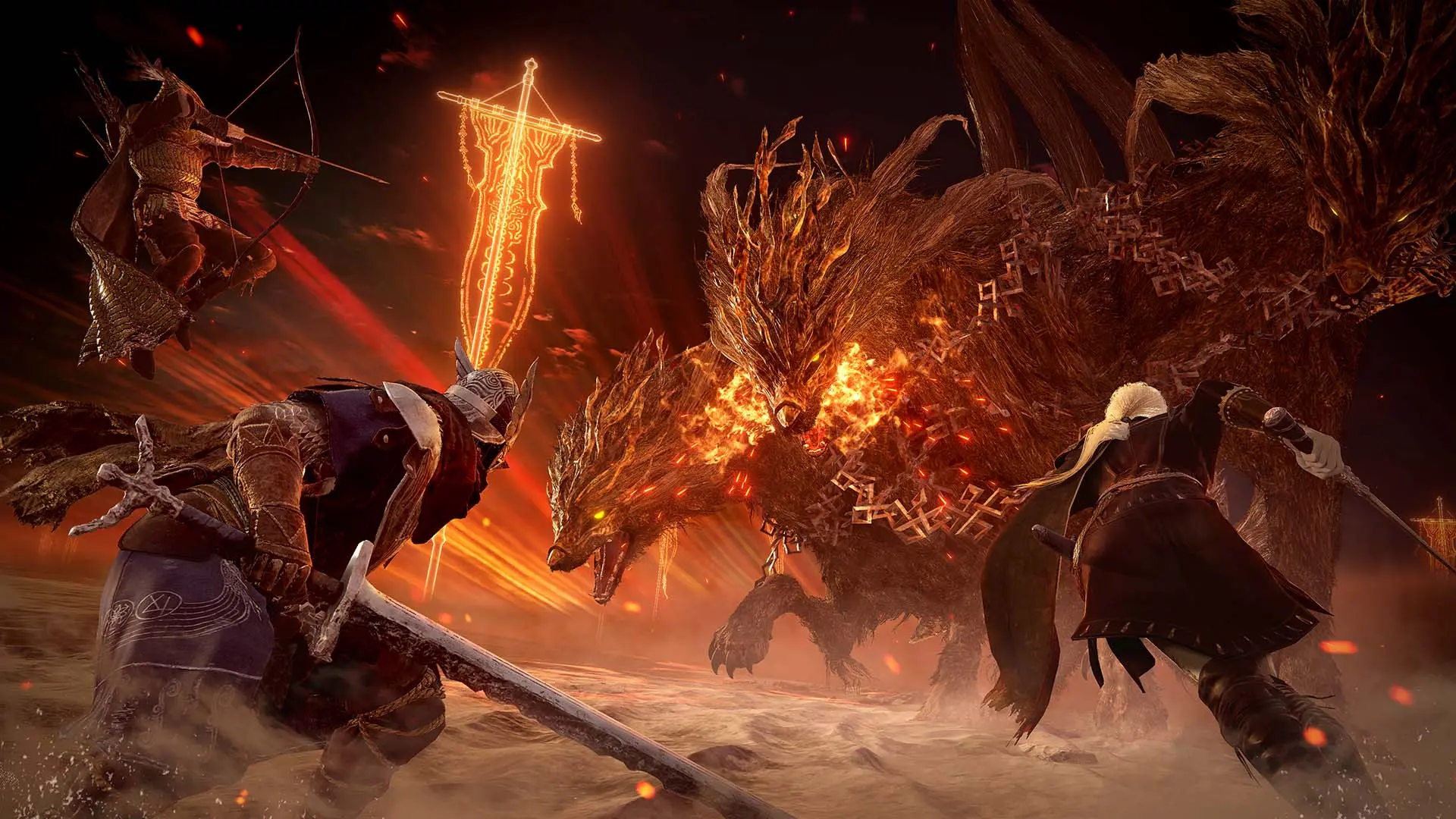
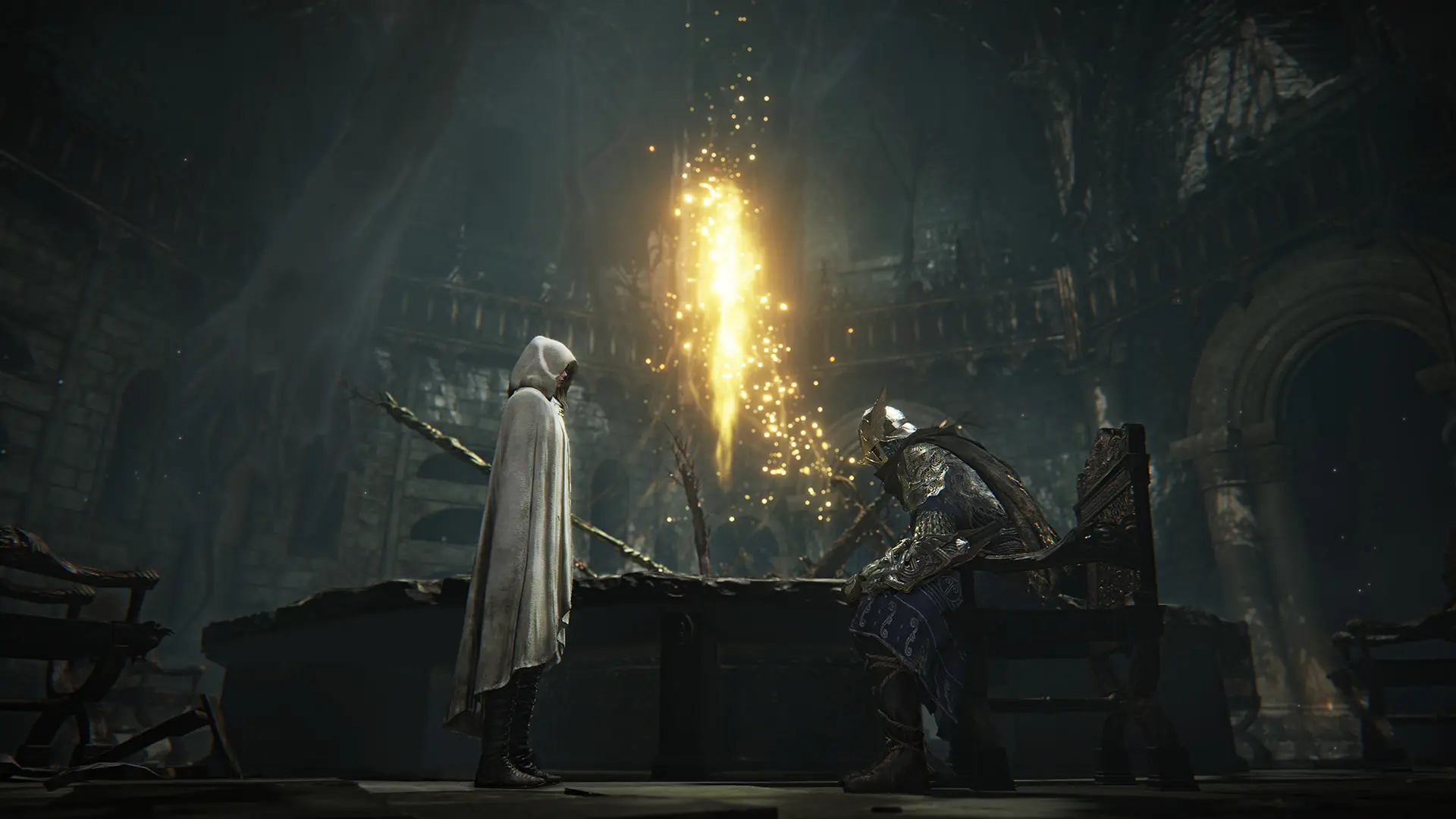
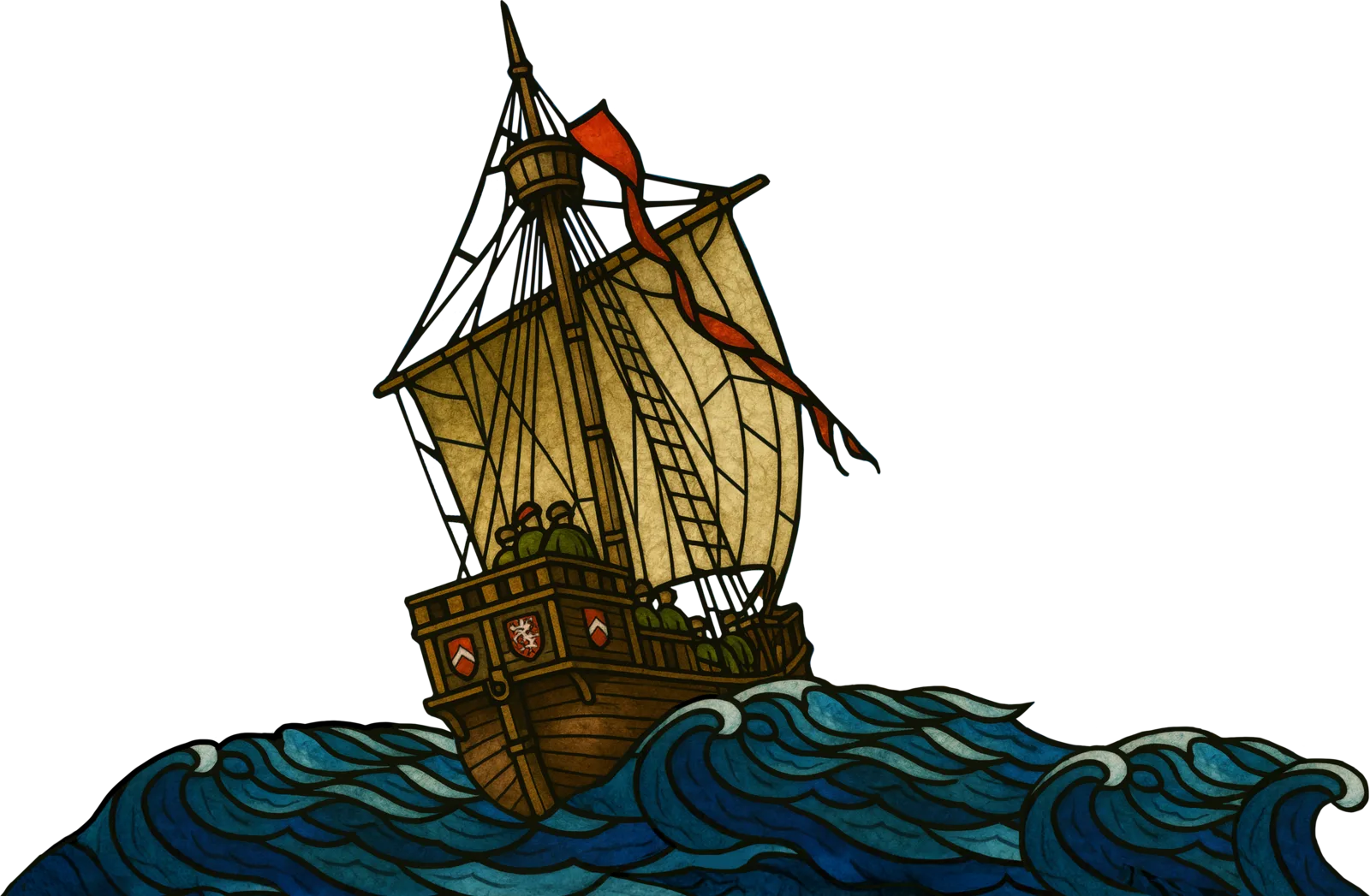
Hanseatic cog, from the key visual

Key themes

Knights, dragons, princesses

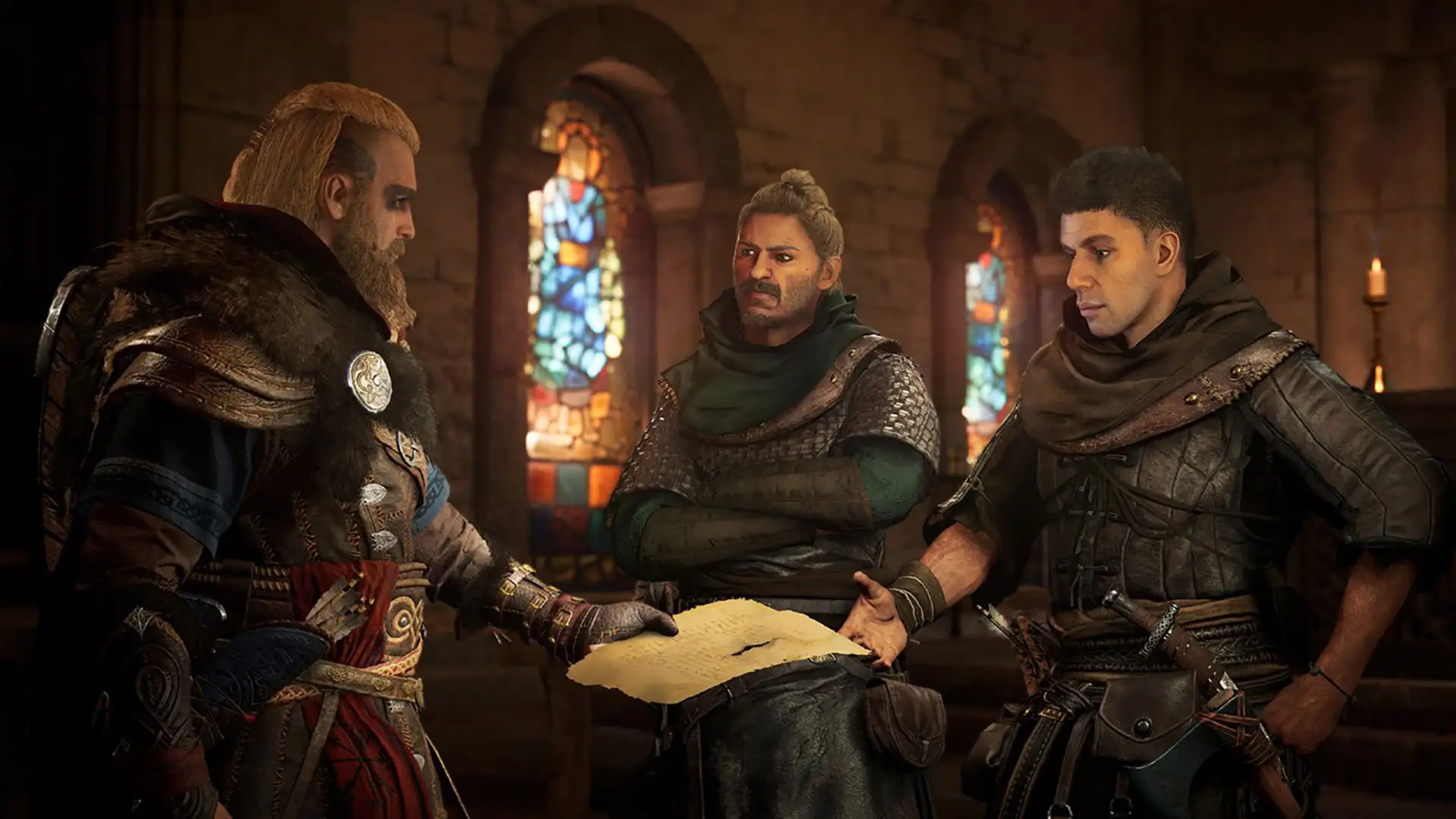
There are certain motifs that we immediately associate with the Middle Ages. These include knights and castles, dragons and princesses, tournaments, cathedrals, medieval markets and grand feasts. Such images are deeply rooted in our conception of this era and form part of our cultural memory. Consequently, they recur time and again in films, books, games and TV series.

These motifs act as ‘Medieval markers’. They help us to quickly situate a fictional or fantasy world in time. Often, just a few elements are enough: a castle on a hill, a knight in armour or a monastery with monks – and immediately the image of a medieval world forms in our minds.

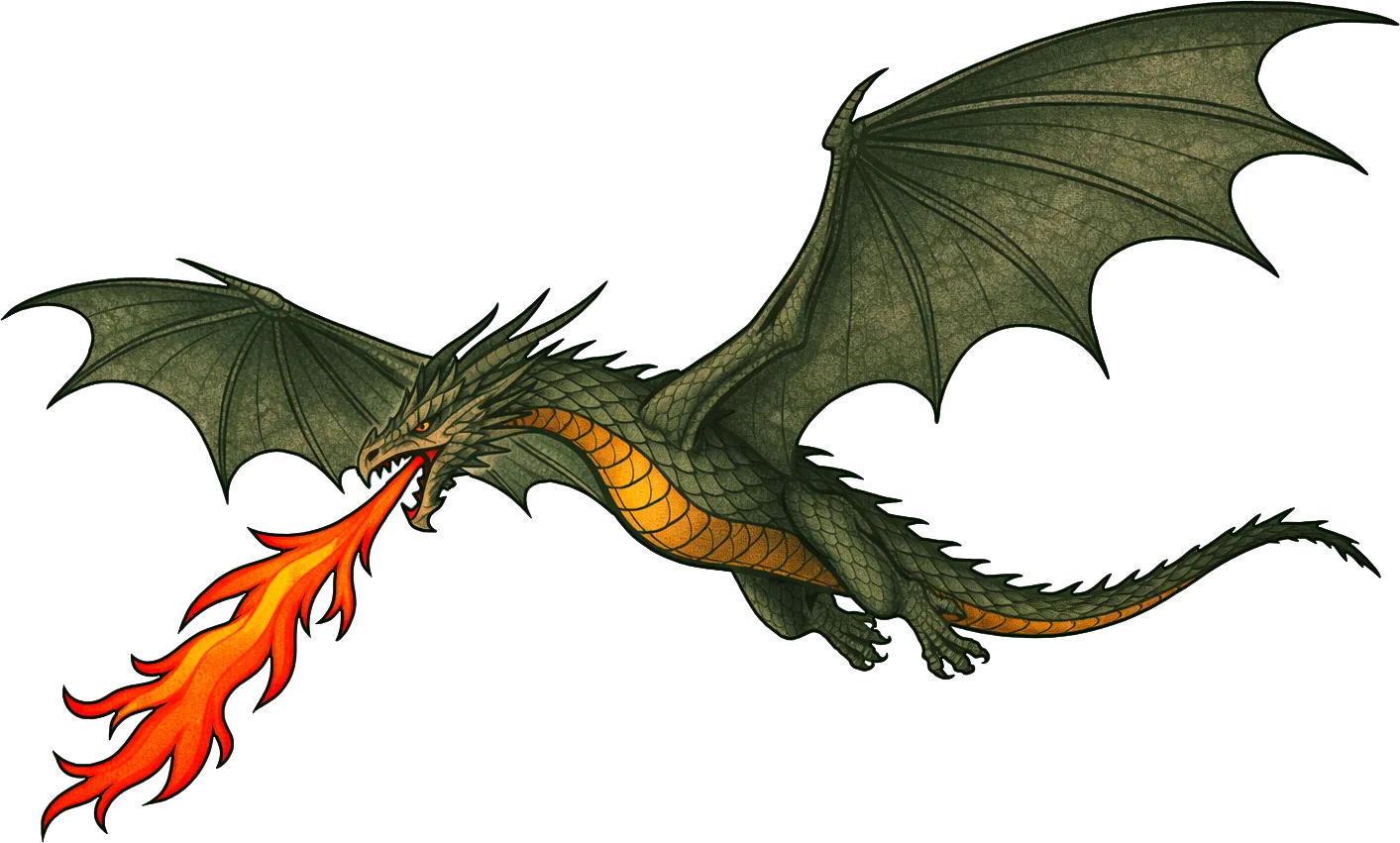
Yet these motifs do not necessarily have to be historically accurate. Dragons and fairy tales, for example, belong more to the world of legends and fantasy than to the actual everyday life of the Middle Ages. Nevertheless, we recognise them as typically medieval because they have become an integral part of our imagination through stories, films and games.

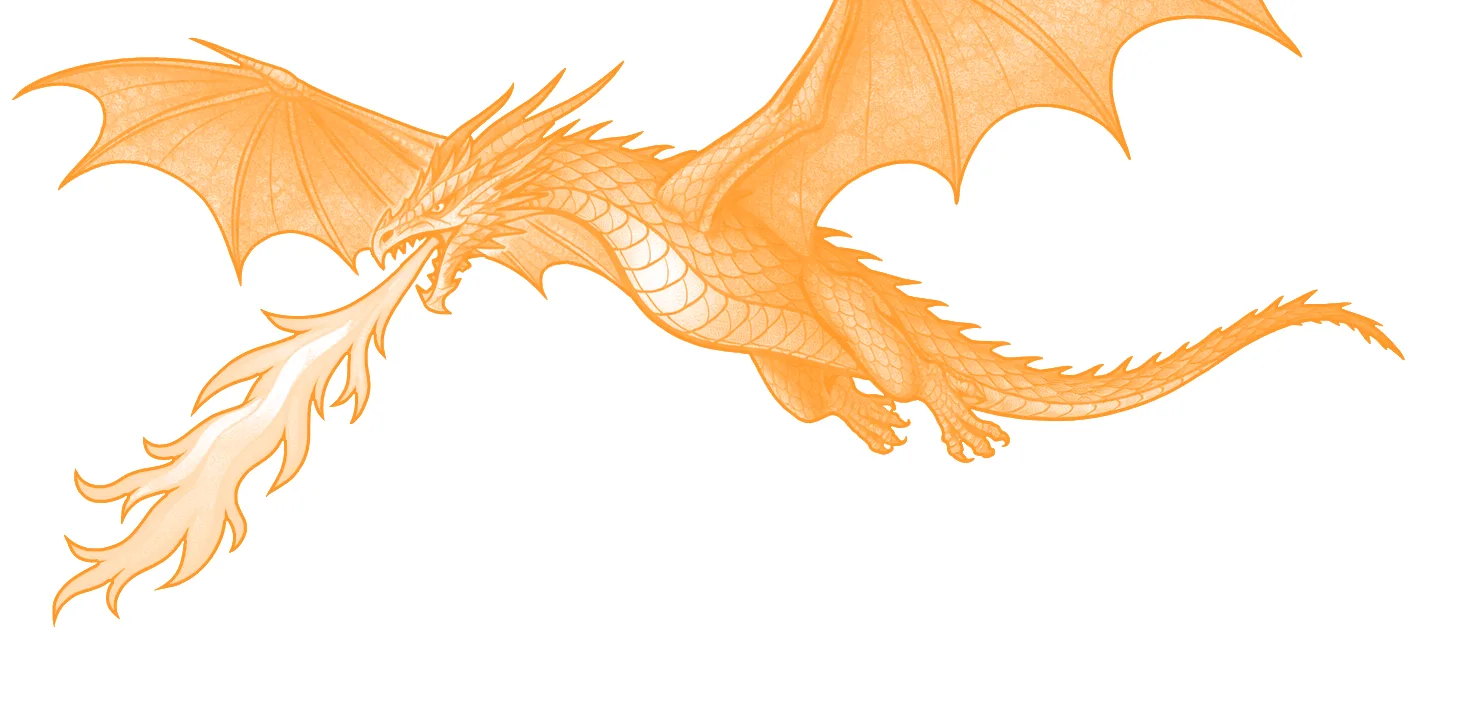
Fire-breathing dragon, from the key visual

Material culture

Truly authentic?

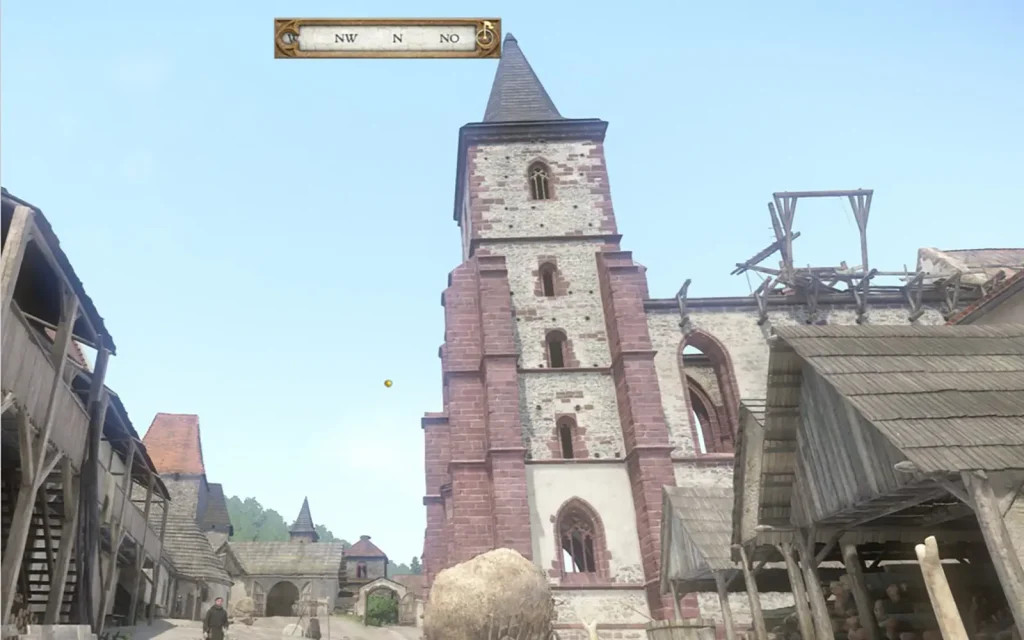
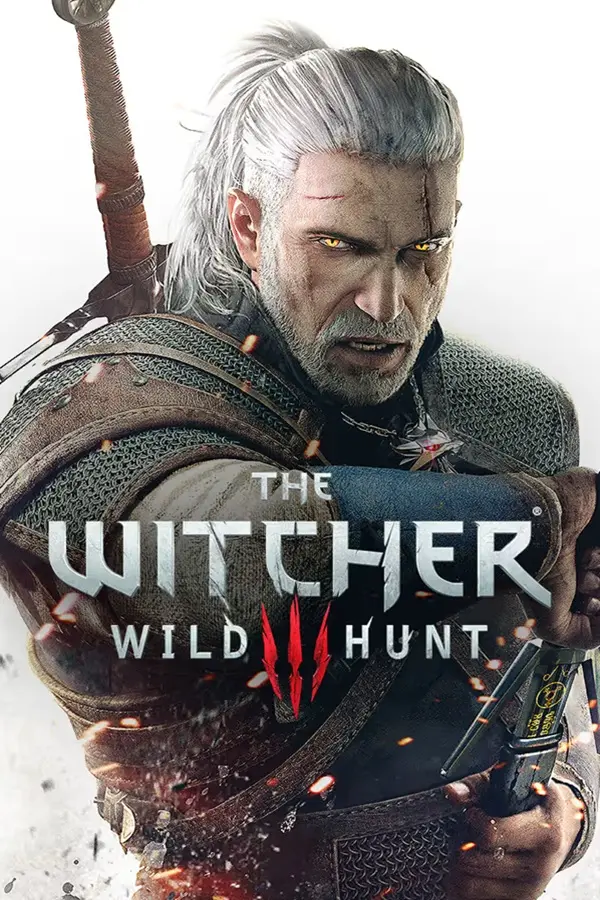
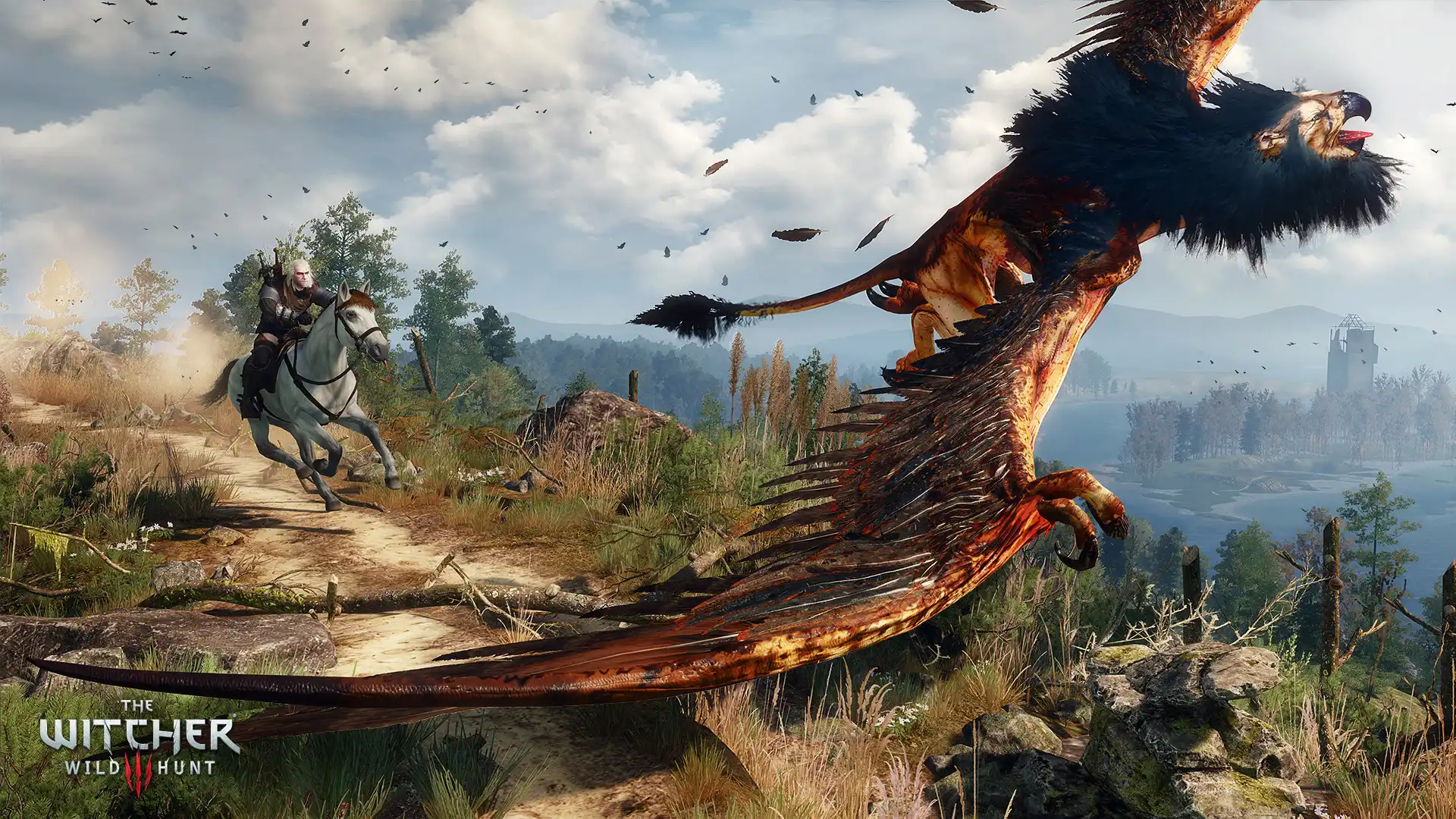
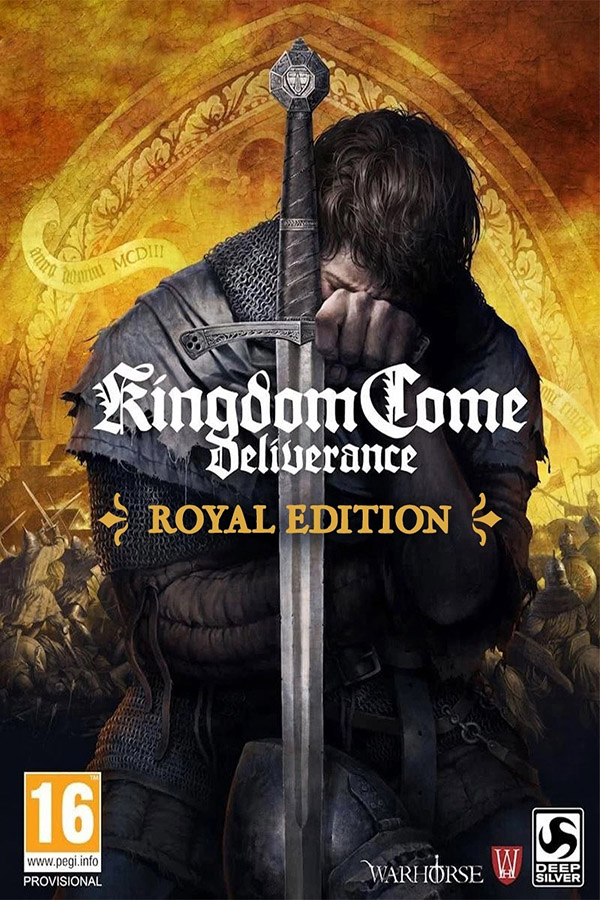
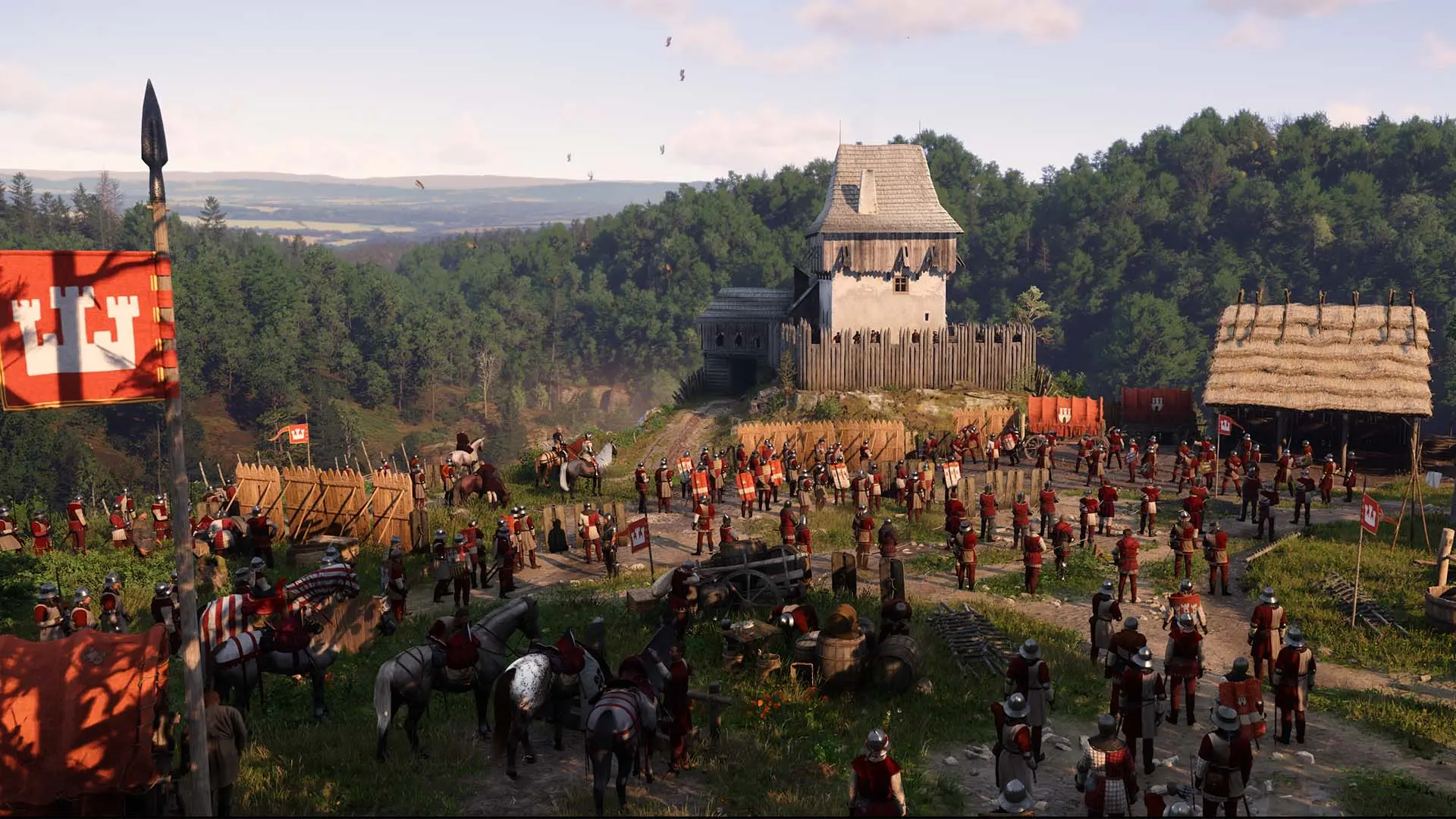
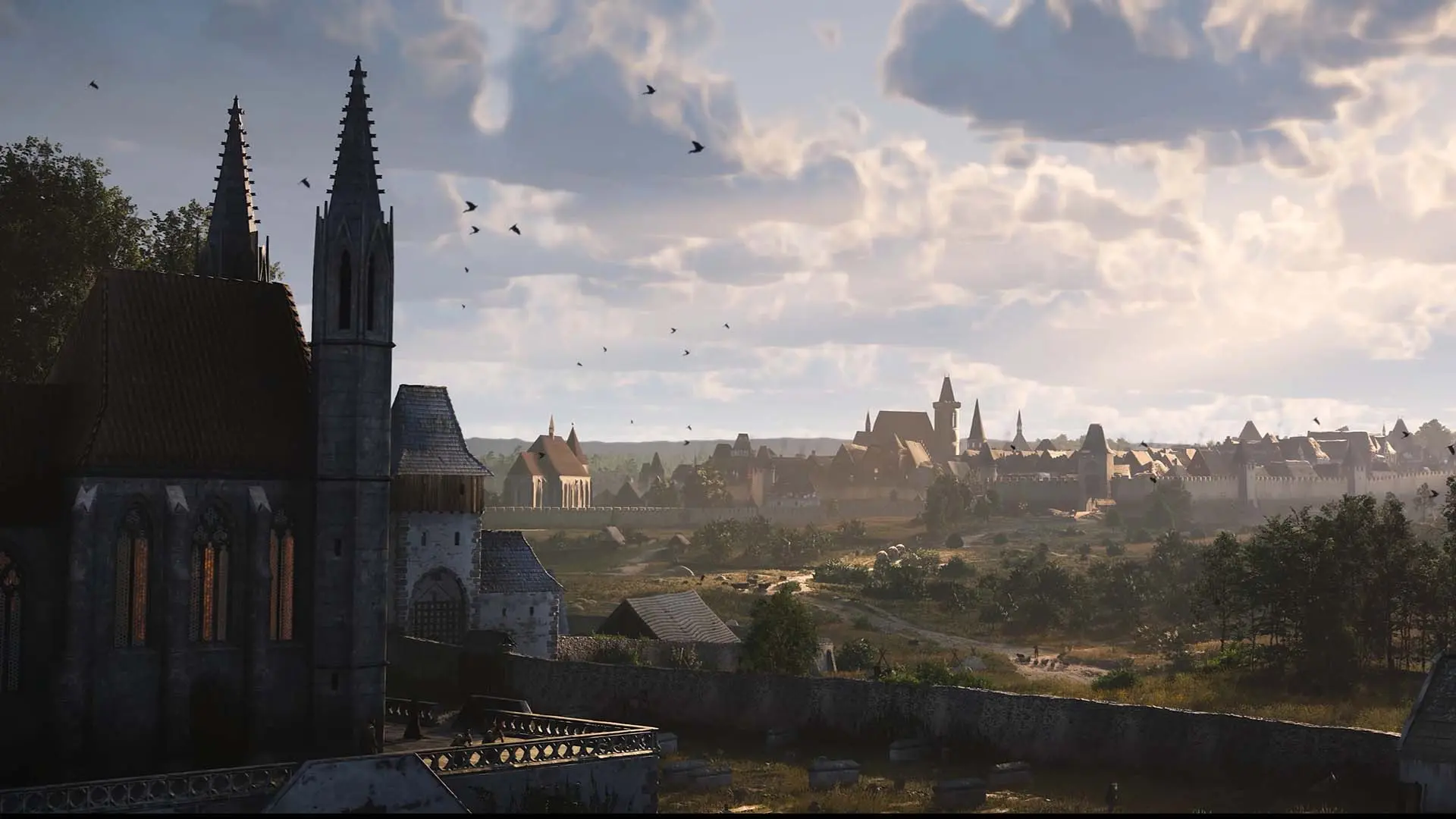
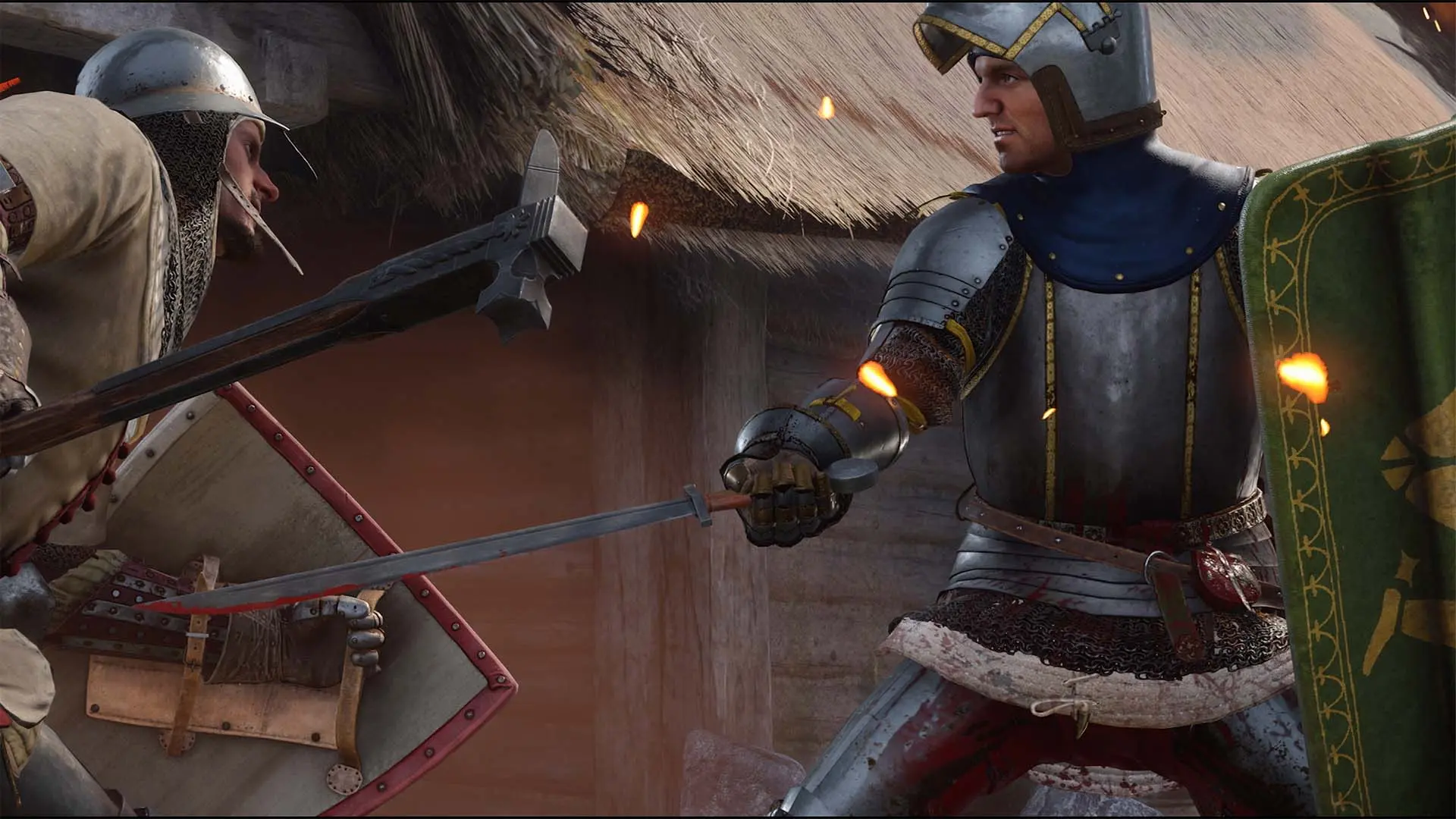
Kingdom Come: Deliverance (2018), Warhorse Studios
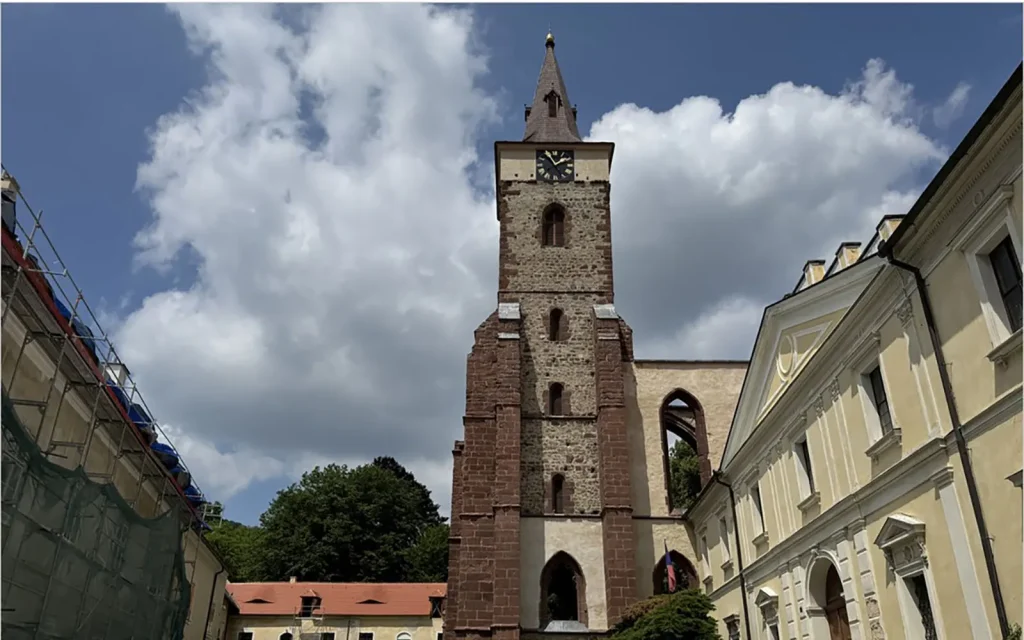
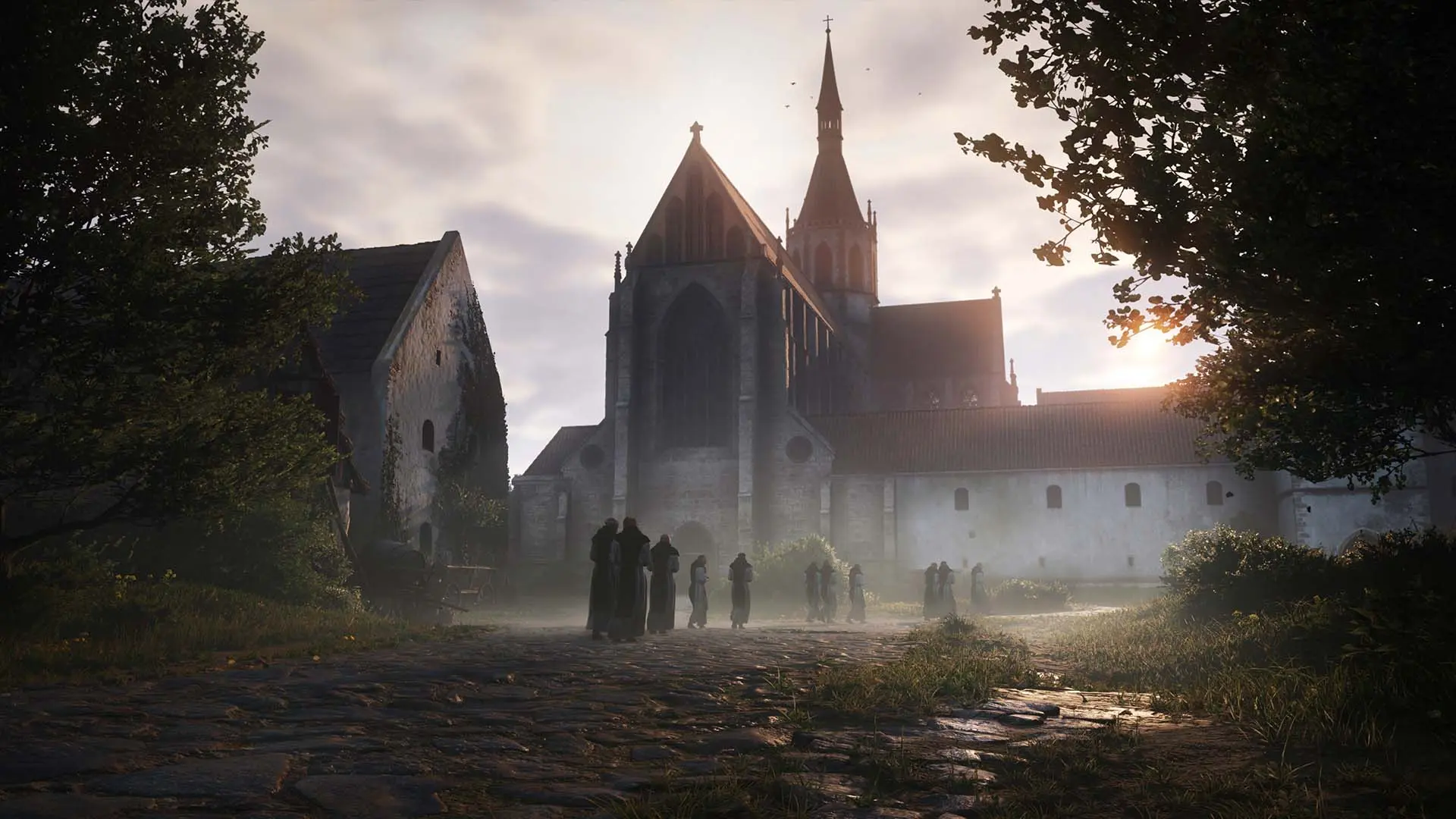
Monastery Sasau, Sázava, Czech Republic
Kingdom Come: Deliverance (2018), Warhorse Studios / Monastery Sasau, Sázava, Czech Republic

Architecture

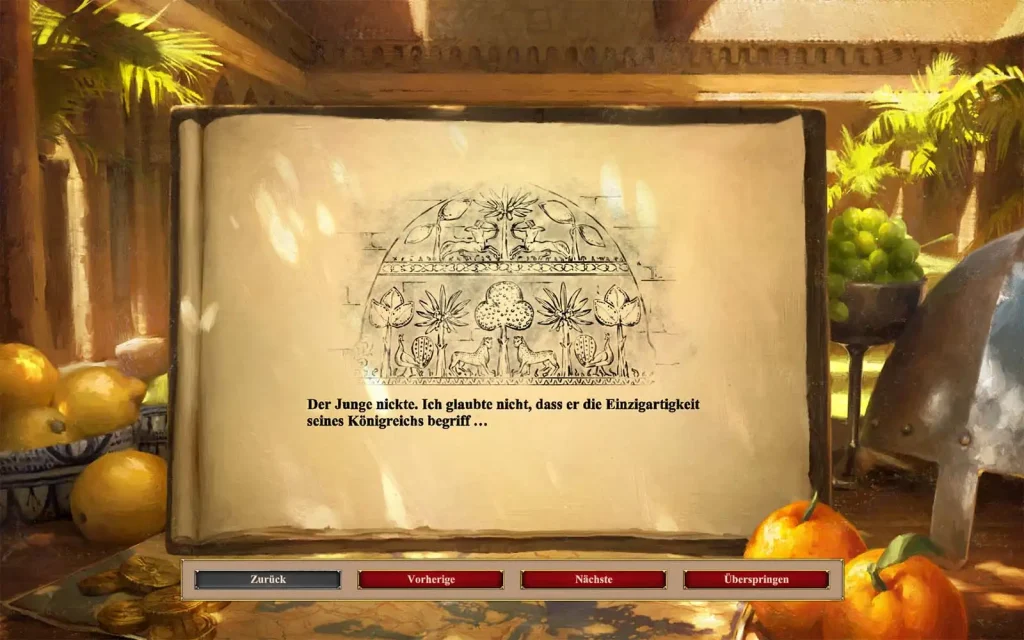
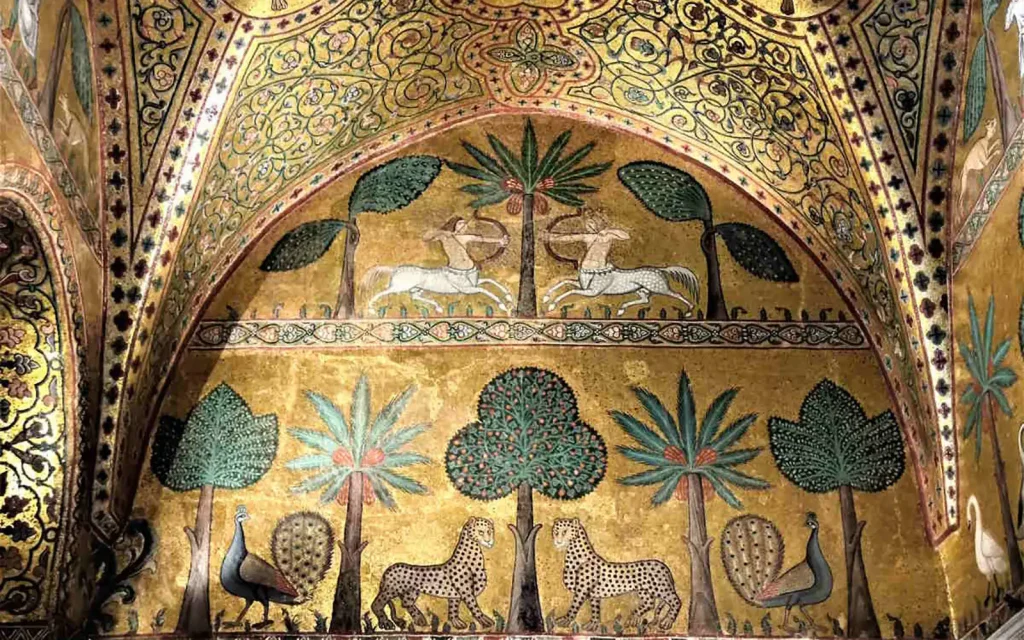
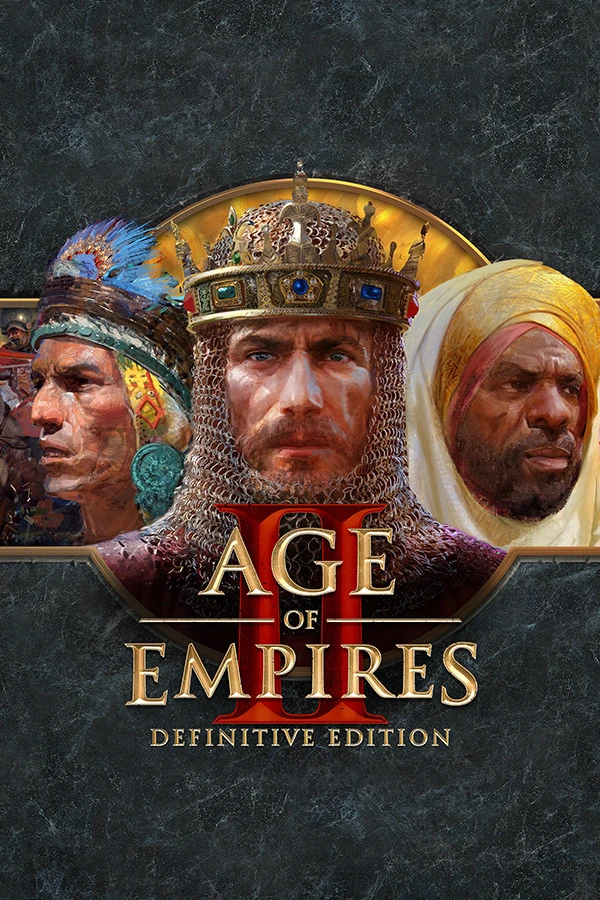
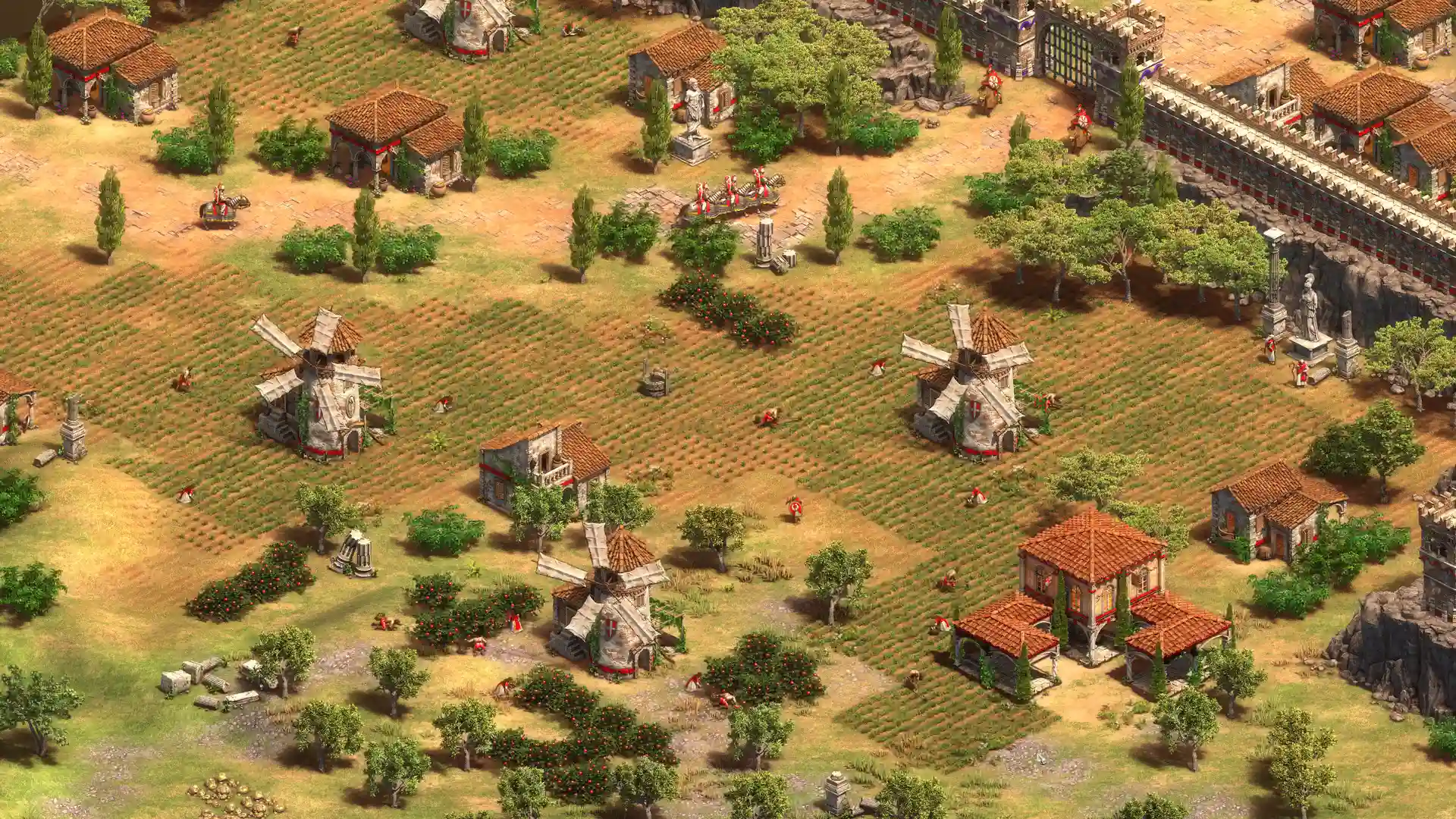
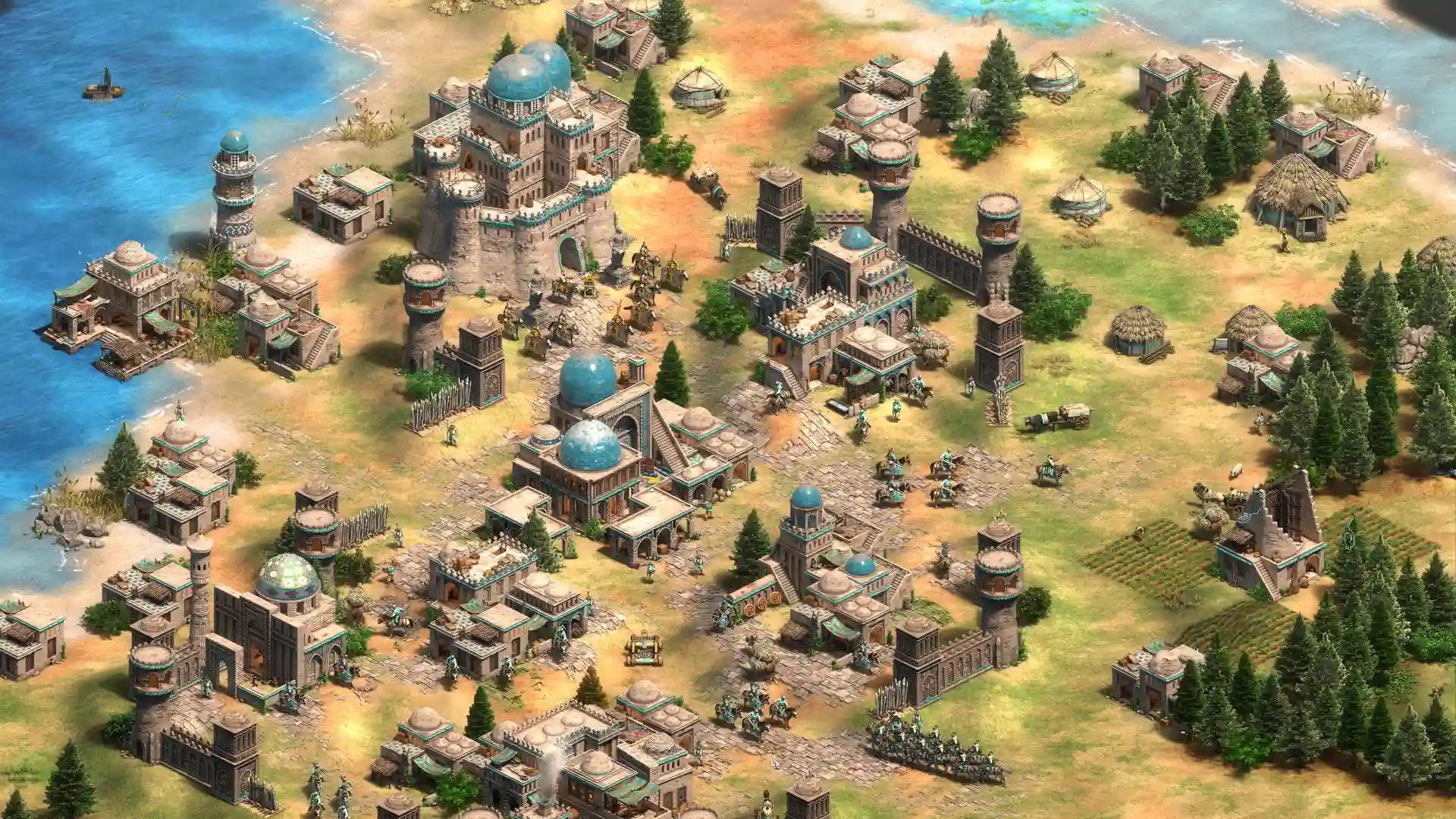
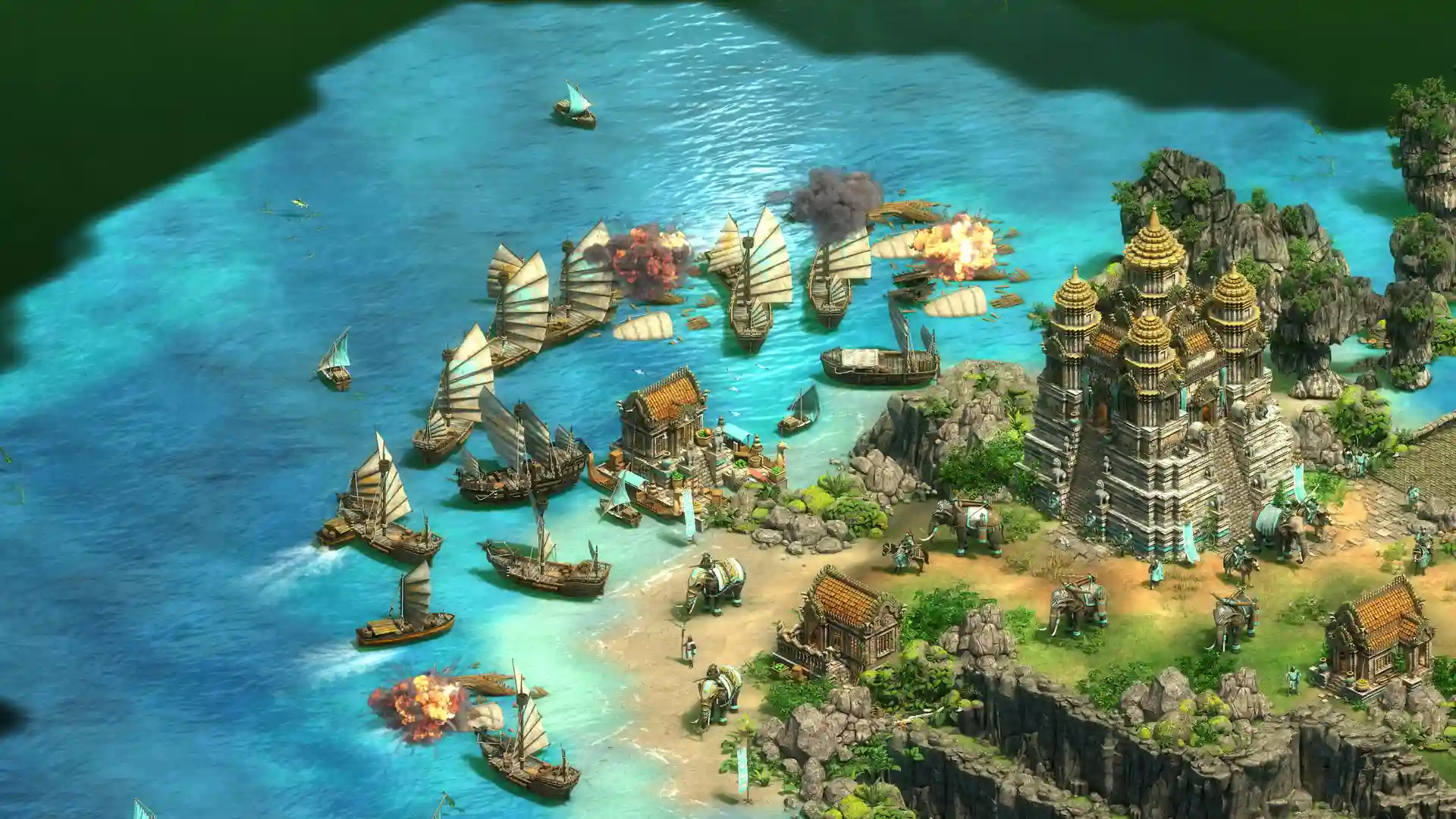
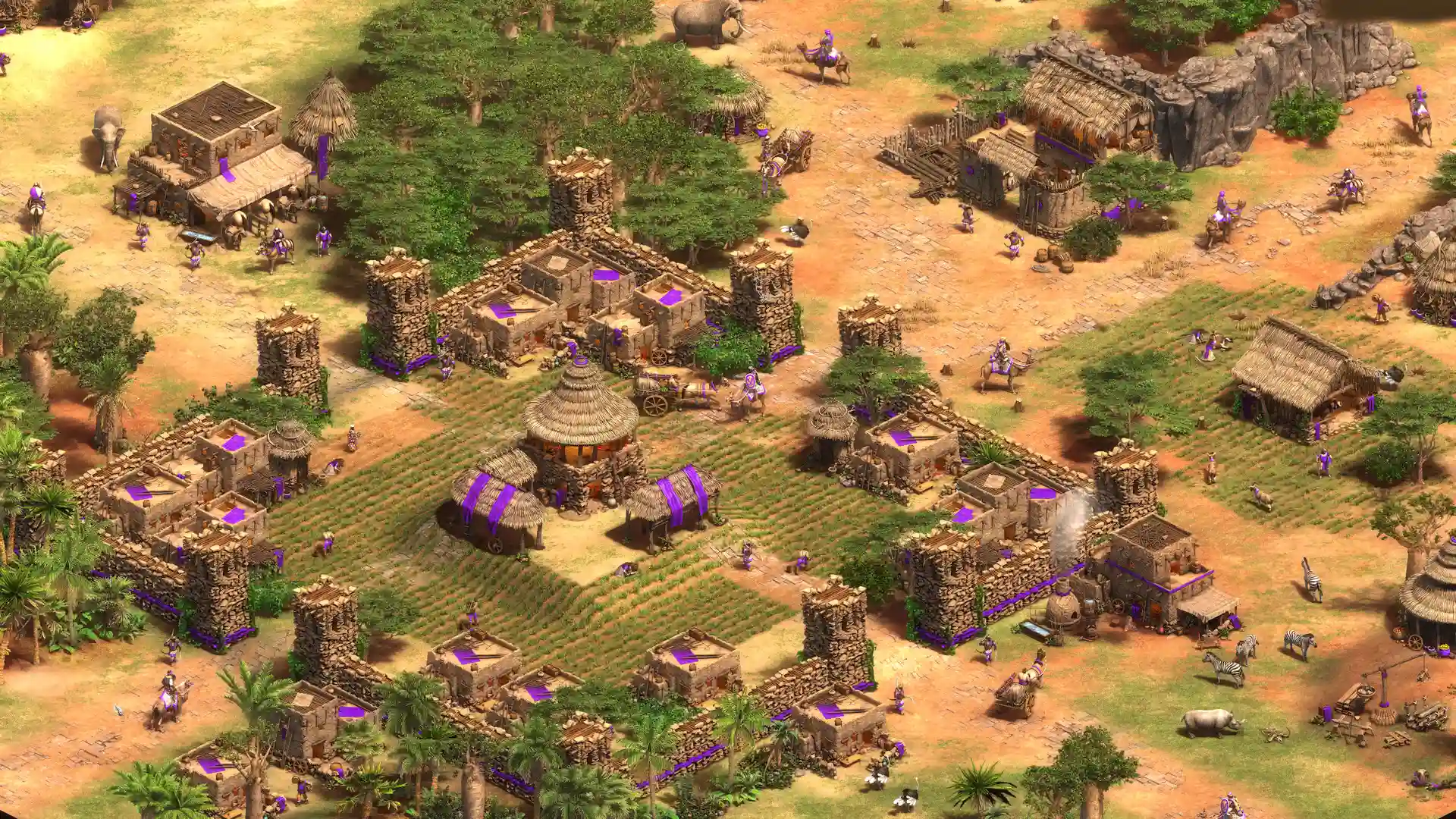
Buildings, weapons, clothing and everyday objects can play a crucial role in making a game world seem credible and authentic. That is why many computer games are based on historical models. Even if a game world is heavily influenced by fantasy and features, for example, magic, monsters or fictional peoples, developers often draw on elements from medieval history.

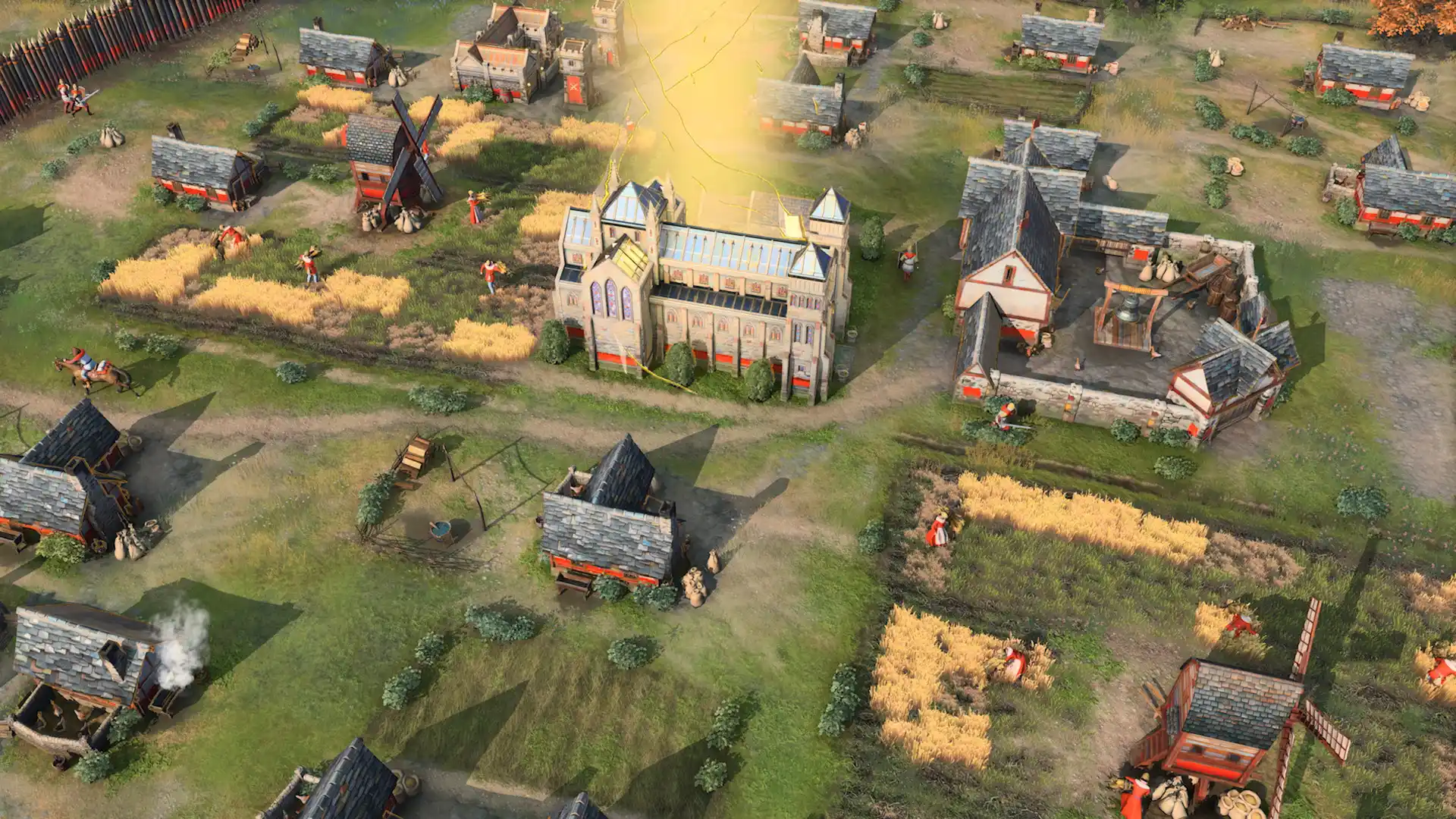
Age of Empires II – Definitive Edition (2019), Microsoft
Norman Palace, Palermo
Age of Empires II – Definitive Edition (2019), Microsoft / Norman Palace, Palermo

Decoration

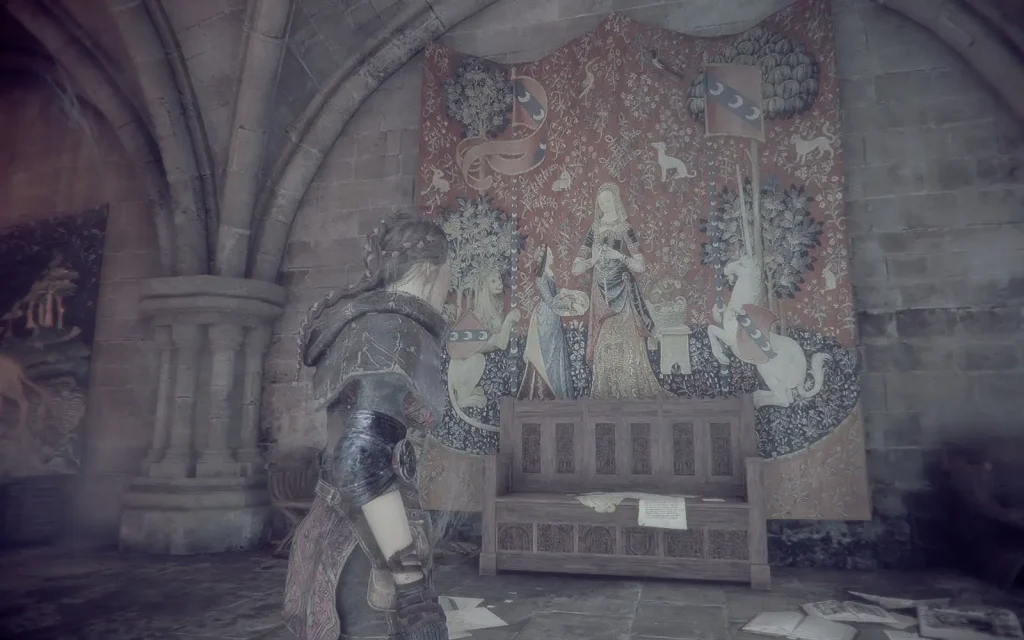
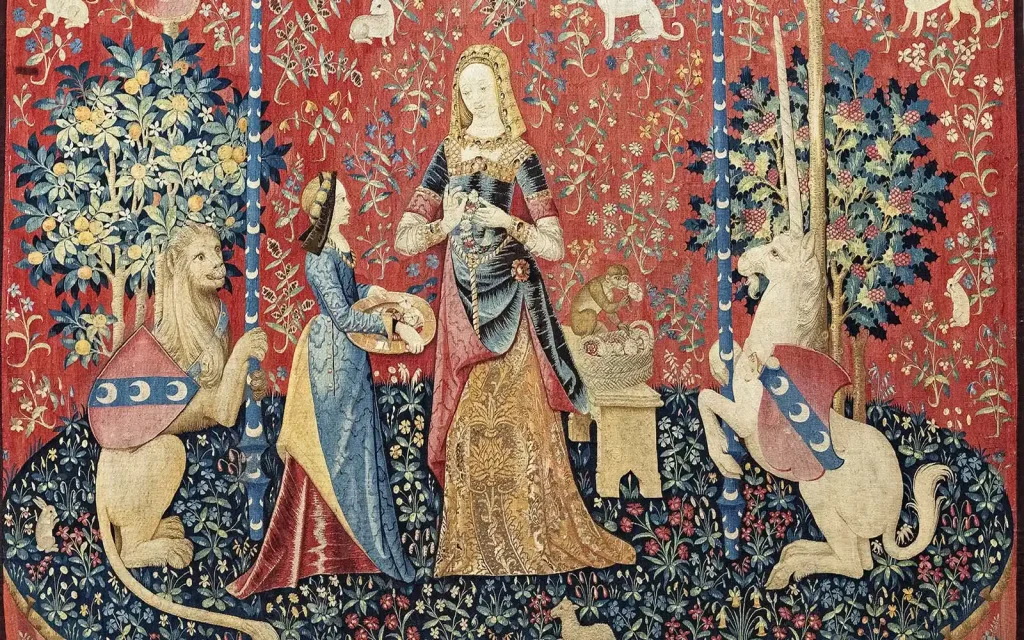
Particularly detailed armour and architectural designs give the impression that the world depicted operates according to specific rules and has a history of its own. A realistically designed suit of armour, a sword with a historical appearance or a medieval castle can be enough in themselves to establish a connection with the Middle Ages.

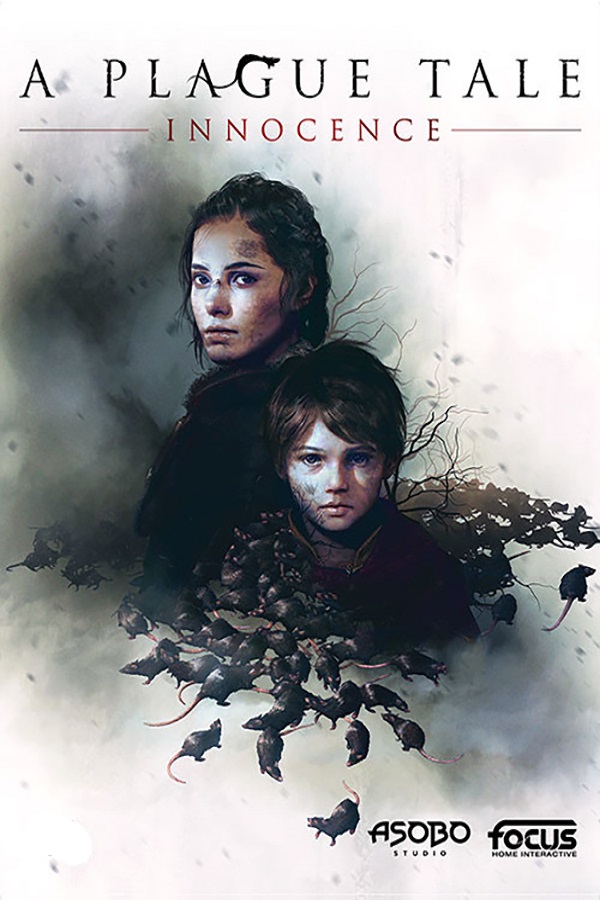
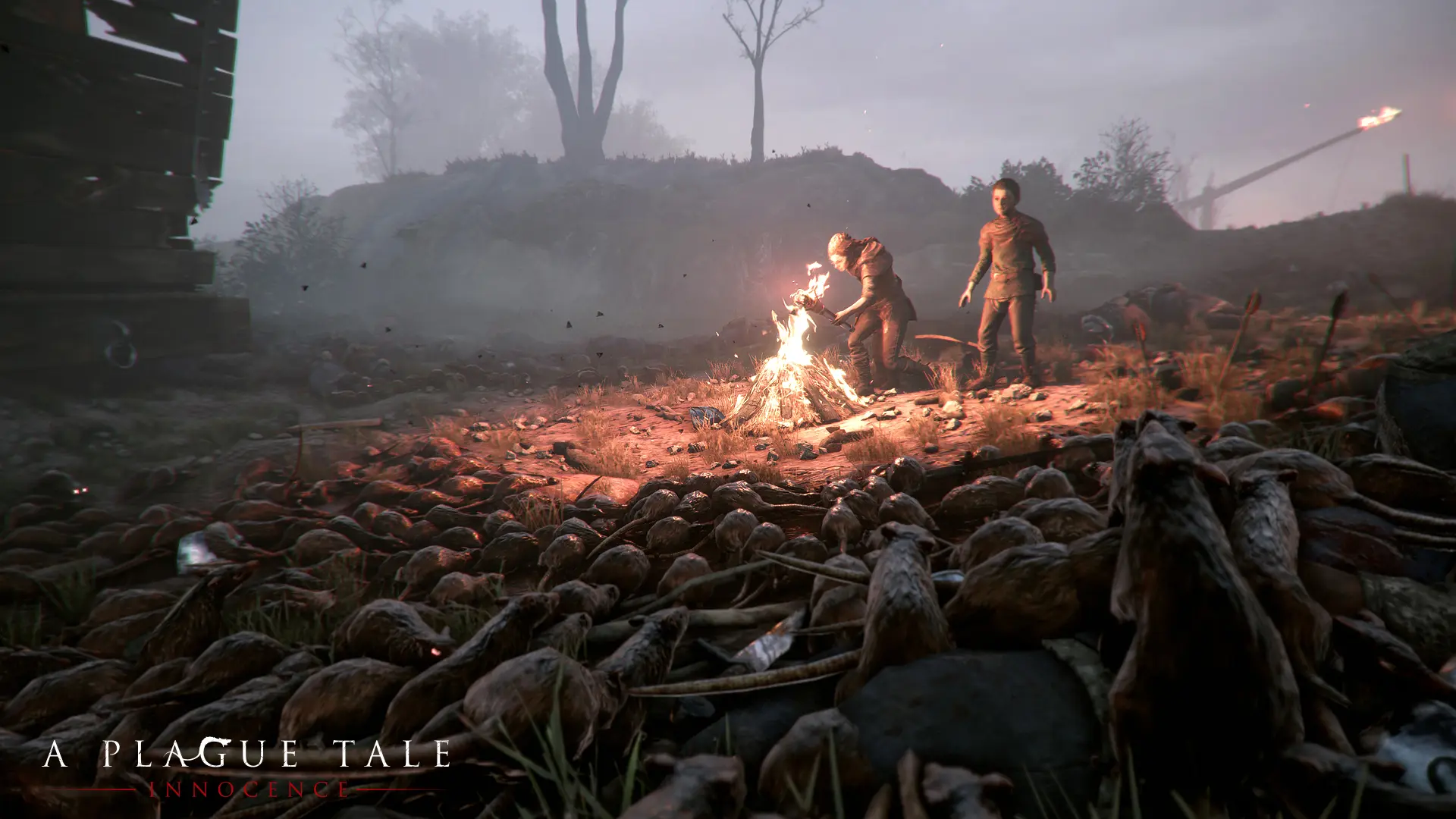
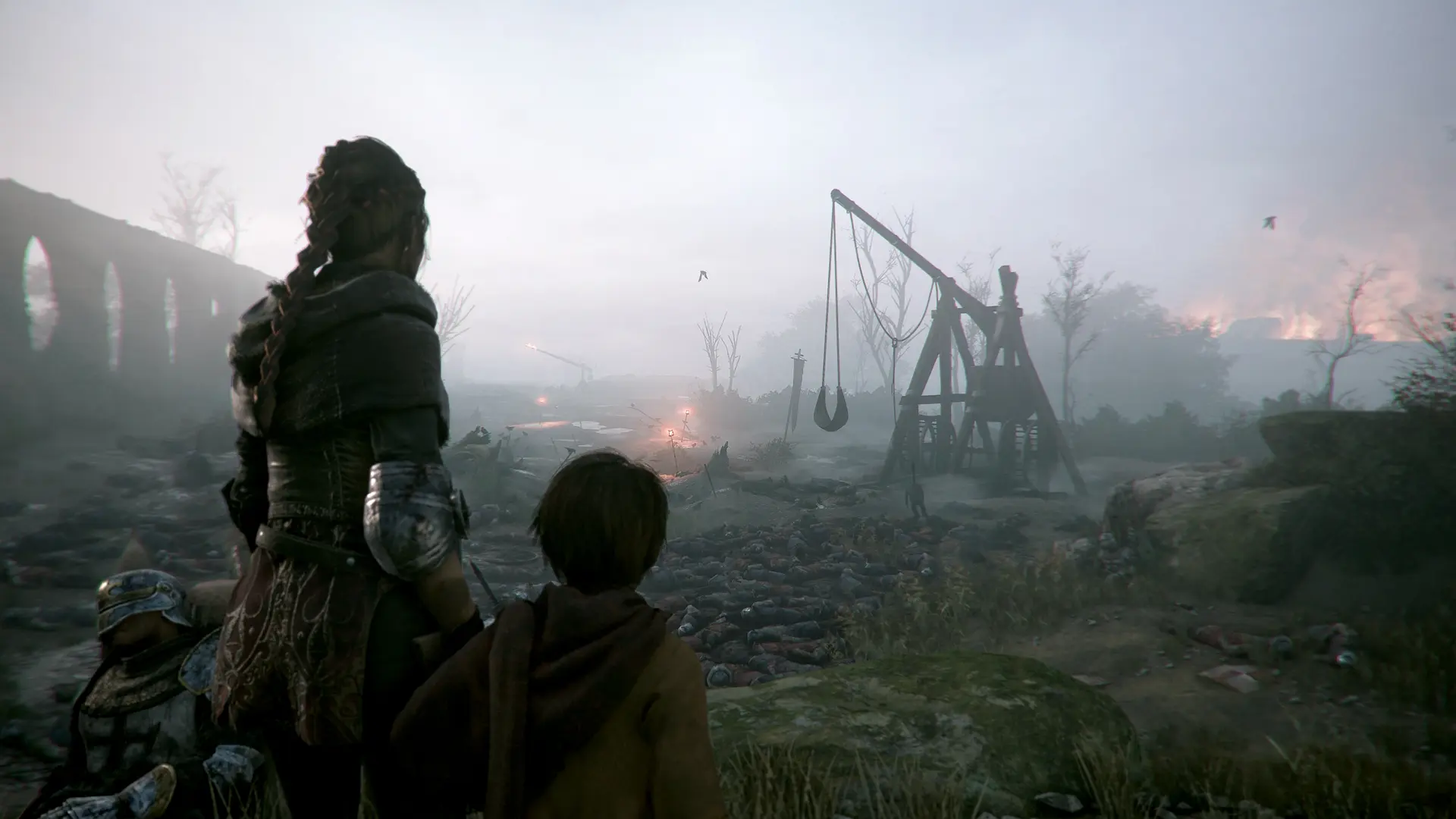
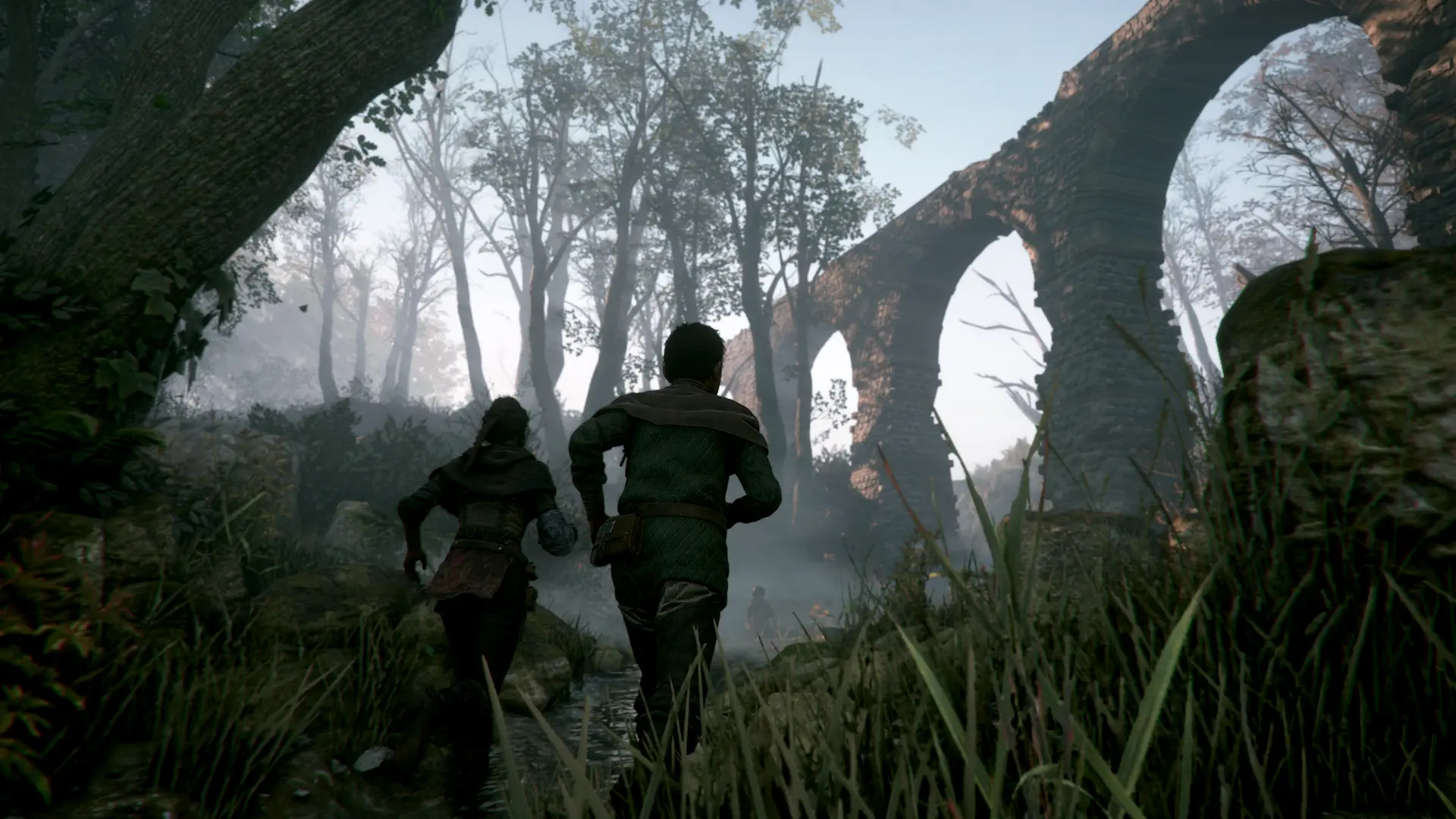
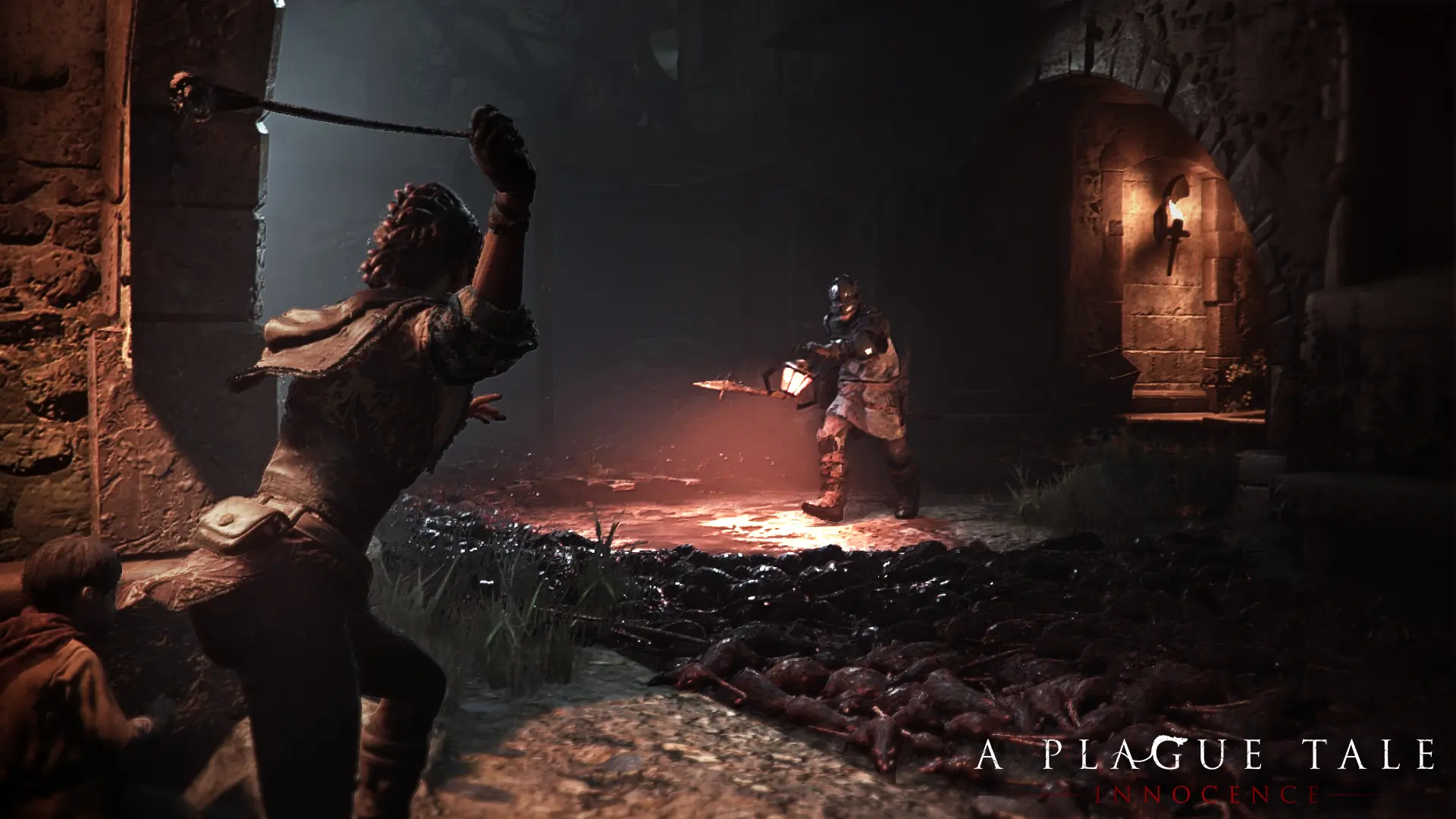
A Plague Tale: Innocence, Asobo Studios (2019)
Portrait of a Young Woman with a Unicorn, Musée de Cluny, Paris
A Plague Tale: Innocence, Asobo Studios (2019) / Portrait of a Young Woman with a Unicorn, Musée de Cluny, Paris

Fantasy

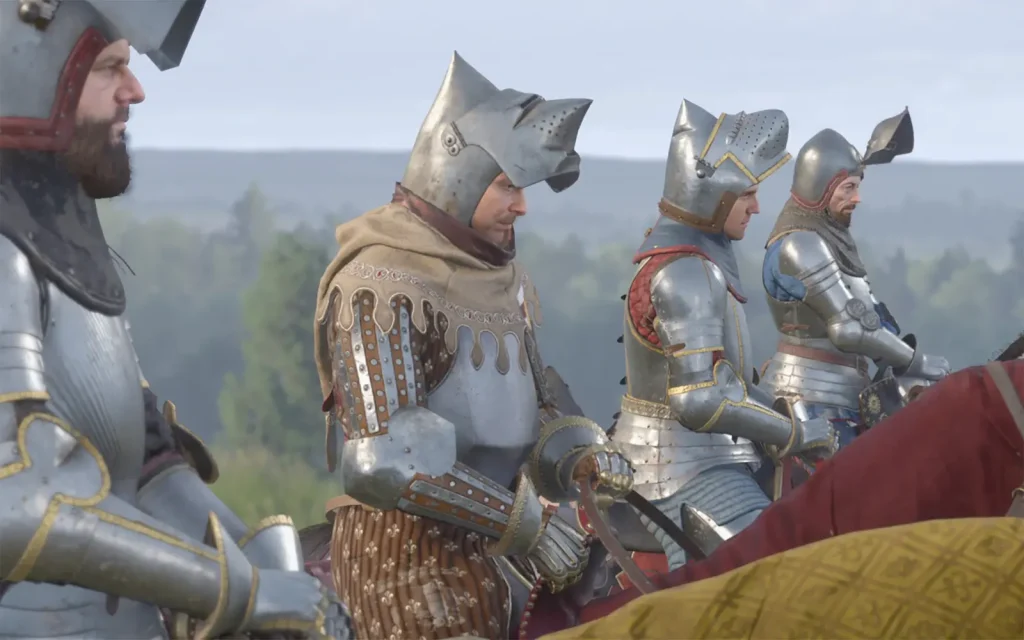
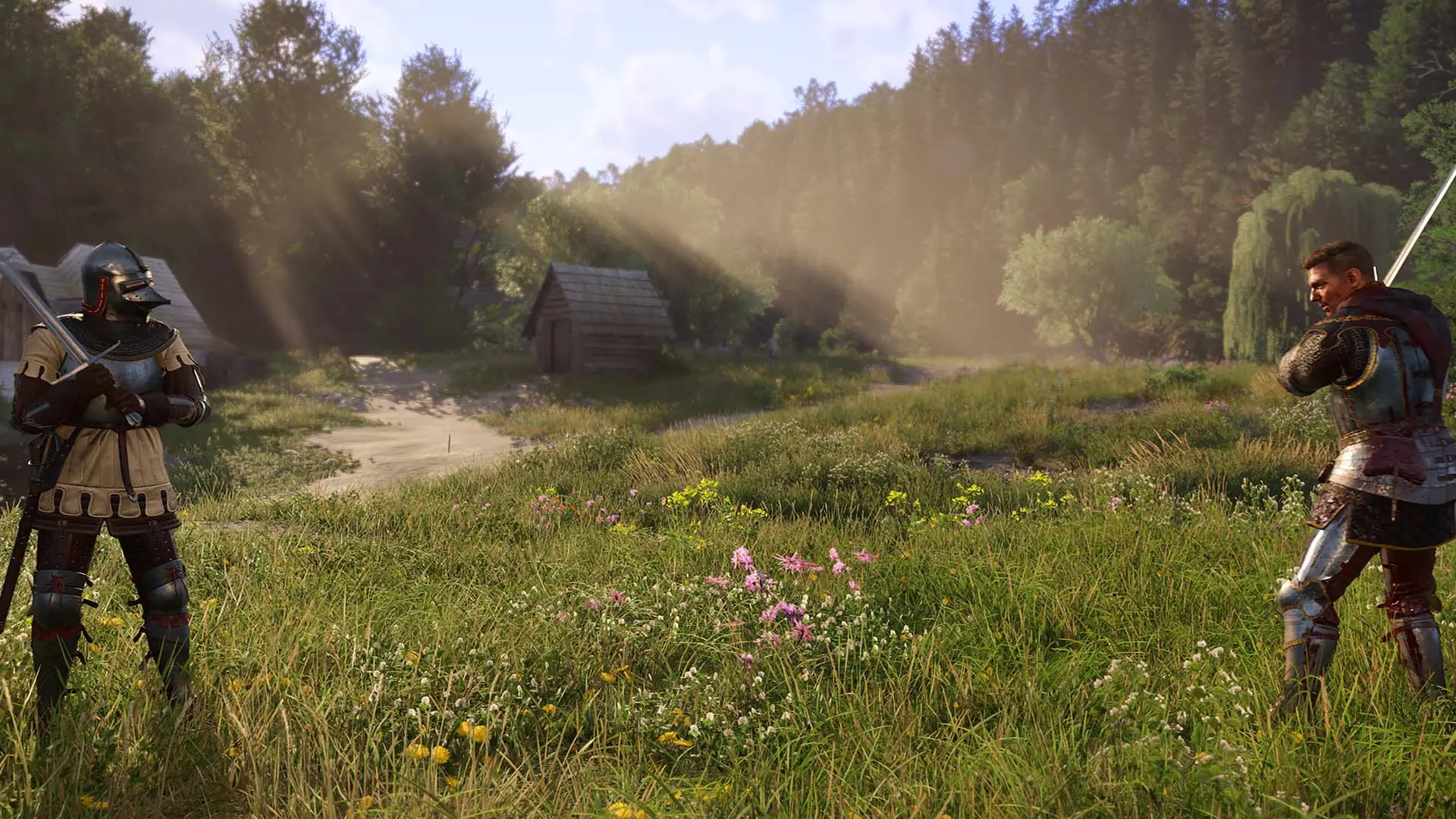
It is not necessarily a question of portraying the past entirely accurately. Historical elements are often selected, altered or combined with fantastical elements. Their primary purpose is to give a game world a particular atmosphere and a credible setting.

Kingdom Come: Deliverance 2, Warhorse Studios (2025)
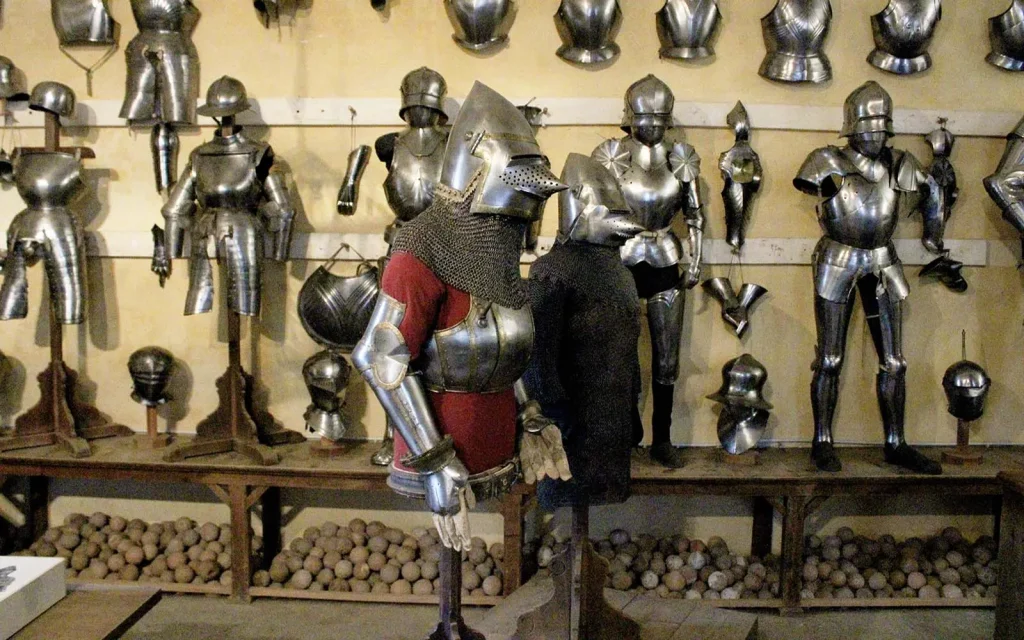
Armoury, Churburg, South Tyrol
Kingdom Come: Deliverance 2, Warhorse Studios (2025) / Armoury, Churburg, South Tyrol

Authentic atmosphere

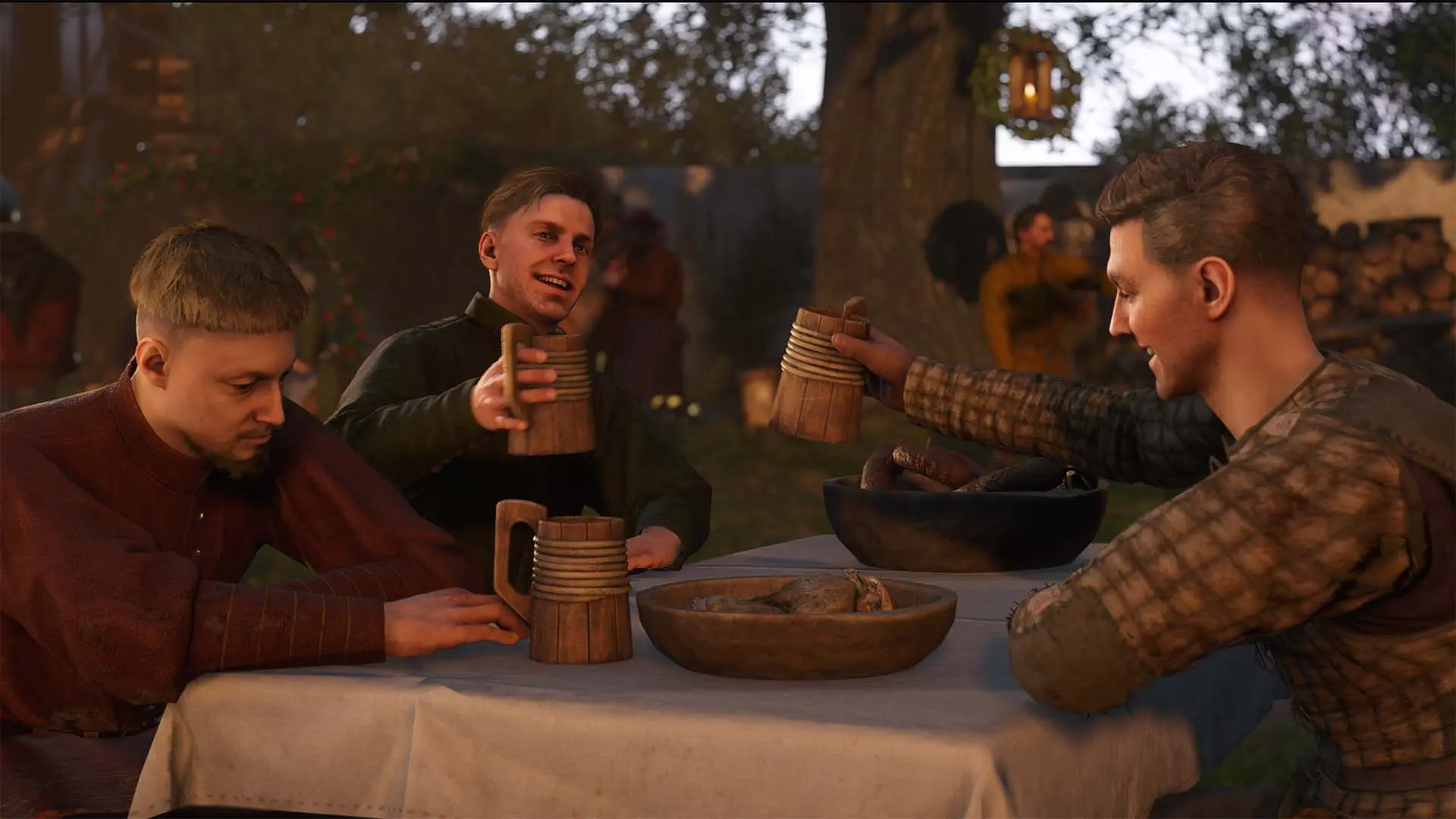
It is precisely this combination of historical models and imagination that makes many medieval games particularly interesting. Players recognise familiar elements from history, whilst at the same time entering a world that never actually existed. This creates a blend of the familiar and the fictional, which makes the Middle Ages a particularly versatile setting for games.

Media traditions

Typical medieval?

Games often draw on imagery and elements already familiar from films, TV series or other games. As a result, characters, sounds, architecture or designs may be perceived as ‘medieval’, even if they do not necessarily correspond to the Middle Ages historically. In this way, certain images of the Middle Ages emerge and become entrenched, and are passed on and altered across various media.

One example of this is the film *The Name of the Rose*, based on the novel by Umberto Eco. The depiction of the monastery, the monks and the gloomy atmosphere conveys a particular image of the Middle Ages. This is not a purely historical representation, but rather an interpretation shaped by cinematic devices such as lighting, music, costumes and architecture.

Such media-mediated ideas can subsequently be taken up by other media. Sean Connery’s portrayal of William of Baskerville also contributes to shaping this image of the Middle Ages. His portrayal and the associated image of the character can be taken up and further developed in later media representations.

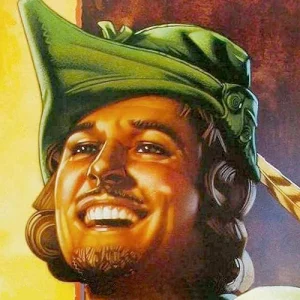
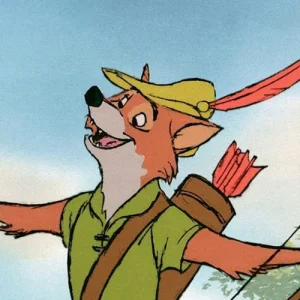
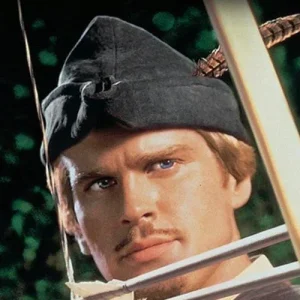
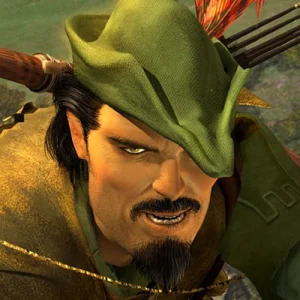
The figure of Robin Hood, too, has been reinterpreted time and again over the centuries. Films and TV series have established certain elements, such as the forest, the outlaw hero, archers, castles and knights. These familiar motifs are also found in games and enable players to quickly recognise a game world as ‘medieval’.

This creates a cycle of media-driven perceptions of the Middle Ages: historical notions are altered and simplified by films, TV series and other media, and subsequently taken up by games. Games, in turn, can further shape these images. The Middle Ages as depicted in popular media is therefore less a direct reflection of the historical past than a culturally shaped conception that develops across various media.

The Adventures of Robin Hood (1938)
Disney's Robin Hood (1973)
Robin Hood: Men in Tights (1993)
Robin Hood – The Legend of Sherwood (2002)

Games are the greatest medium for communicating history in our time

Facts and figures

Source (opens in a new tab)
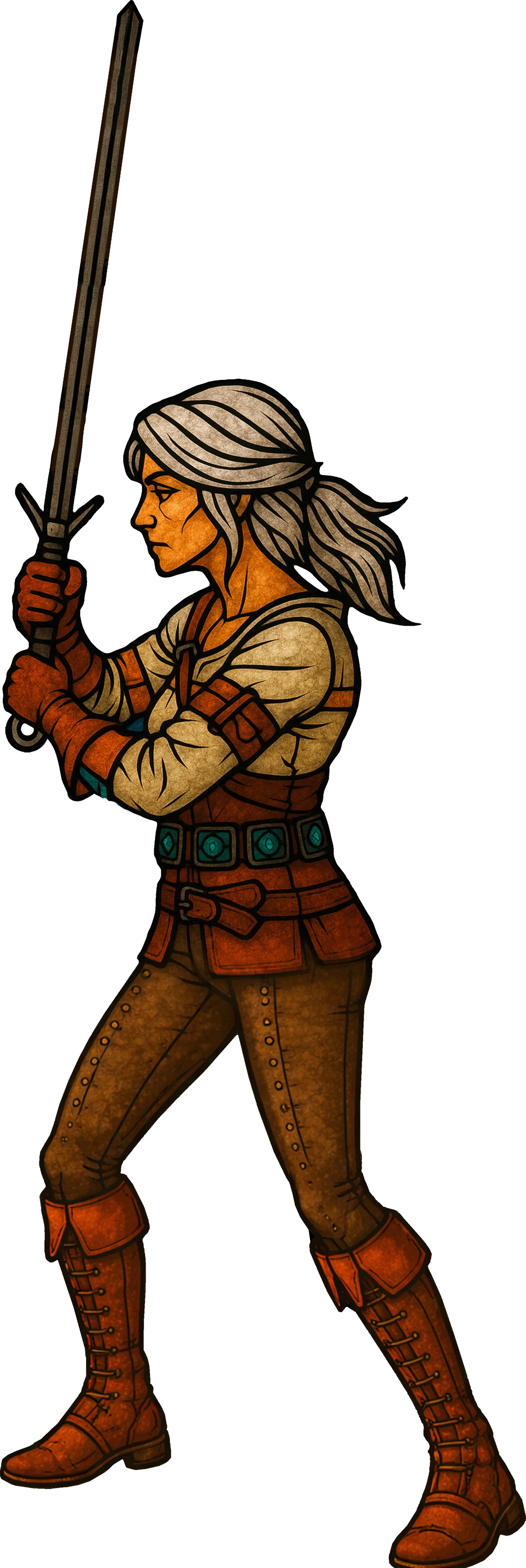
Swordswoman, from the key visual

What historians, developers and influencers have to say

Views from the industry

“After all, history provides the best stories.”

Tobias Stolz-Zwilling (Kingdome Come: Deliverance) Tobias Stolz-Zwilling (Kingdome Come: Deliverance) PR Manager · Warhorse Studios

“The Middle Ages are a common ground on which we can all agree.”

Prof. Lena Falkenhagen (The Dark Eye) Prof. Lena Falkenhagen (The Dark Eye) Author · Narrative Designer

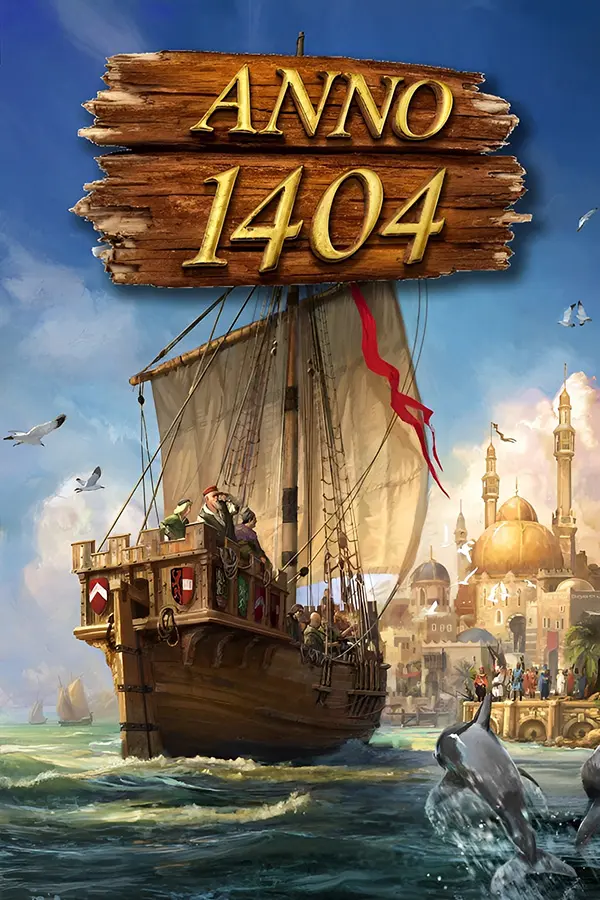
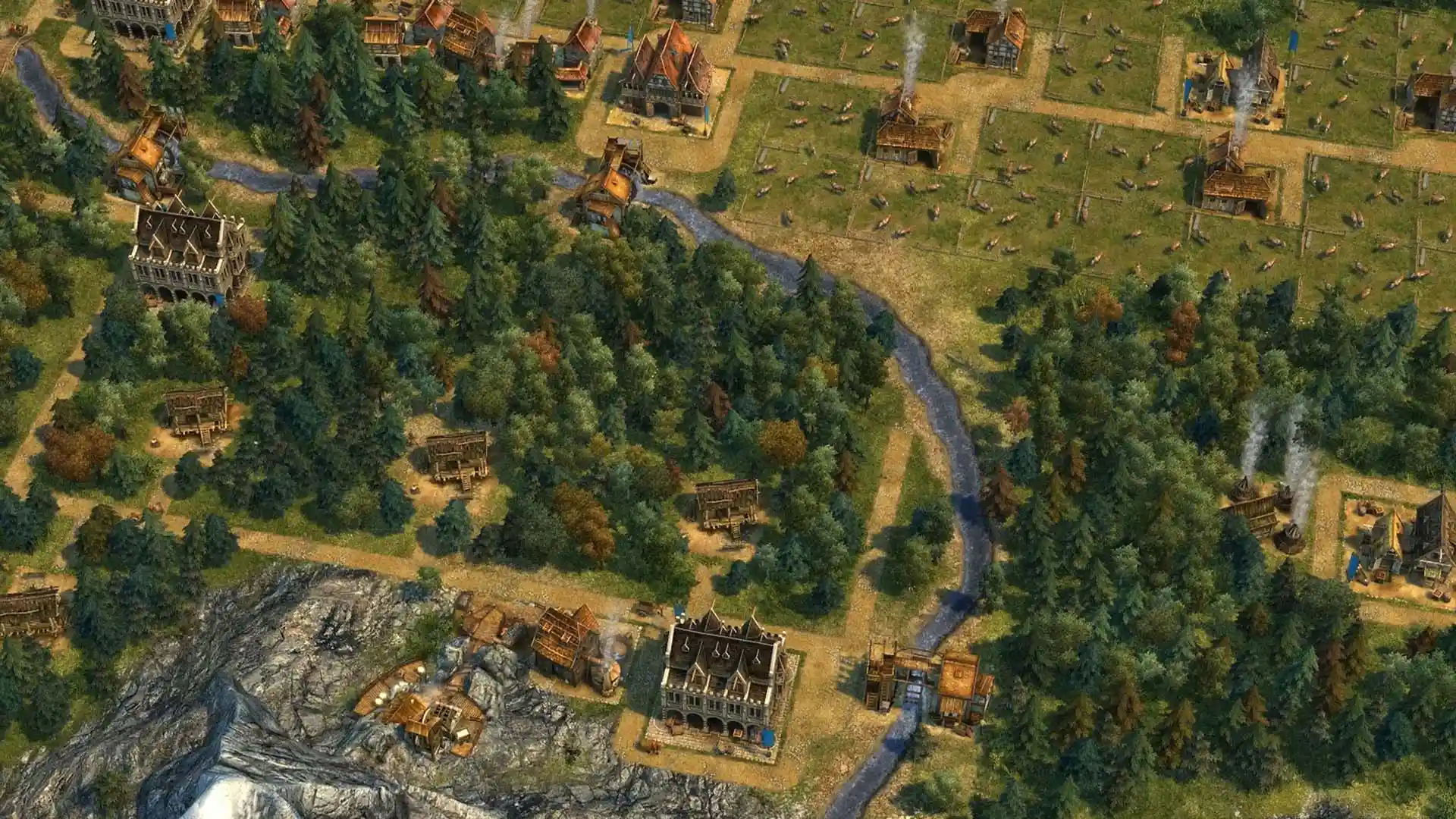
“Right from the start, we wanted to show that the Middle Ages are more than just Central Europe.”

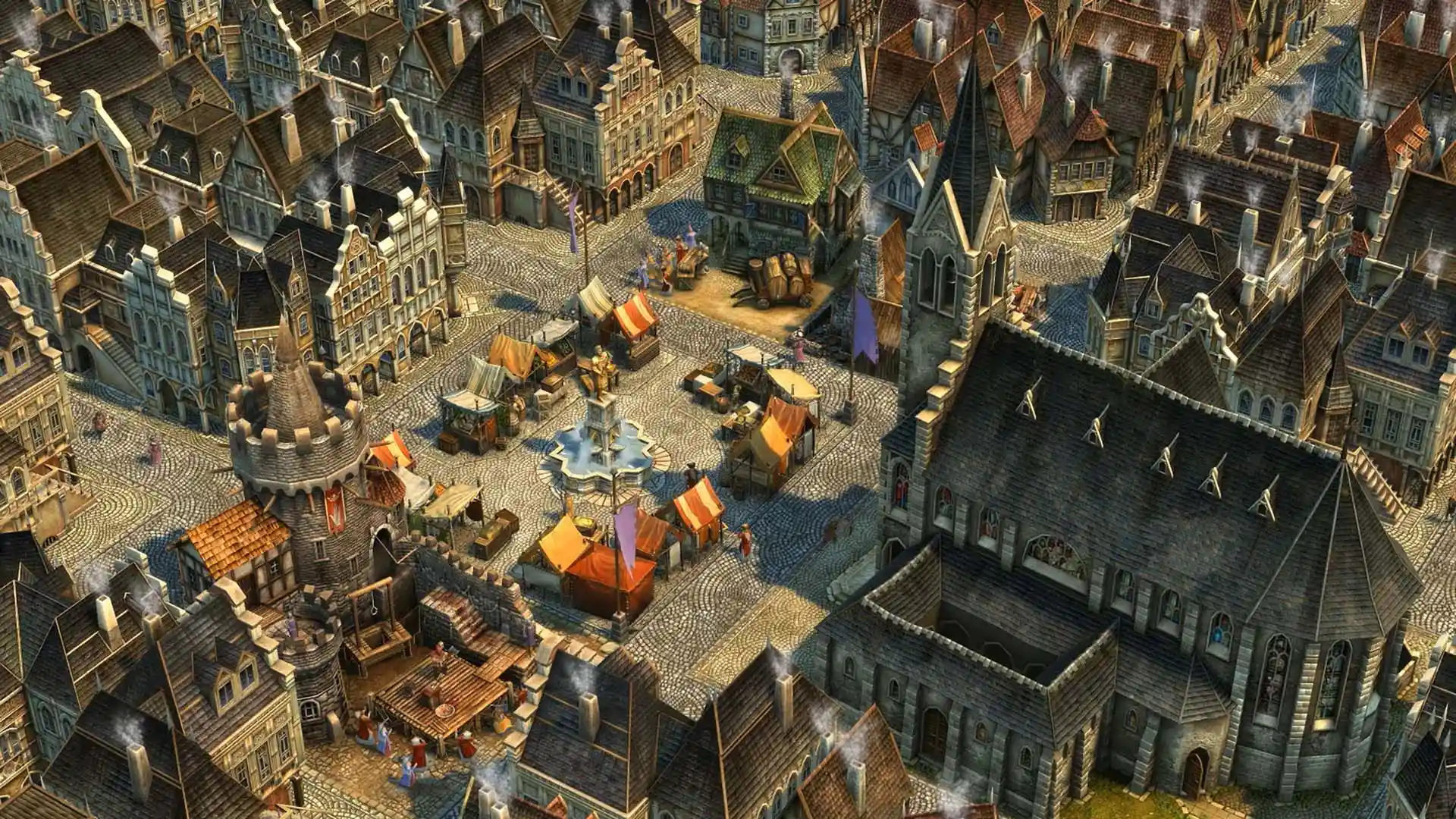
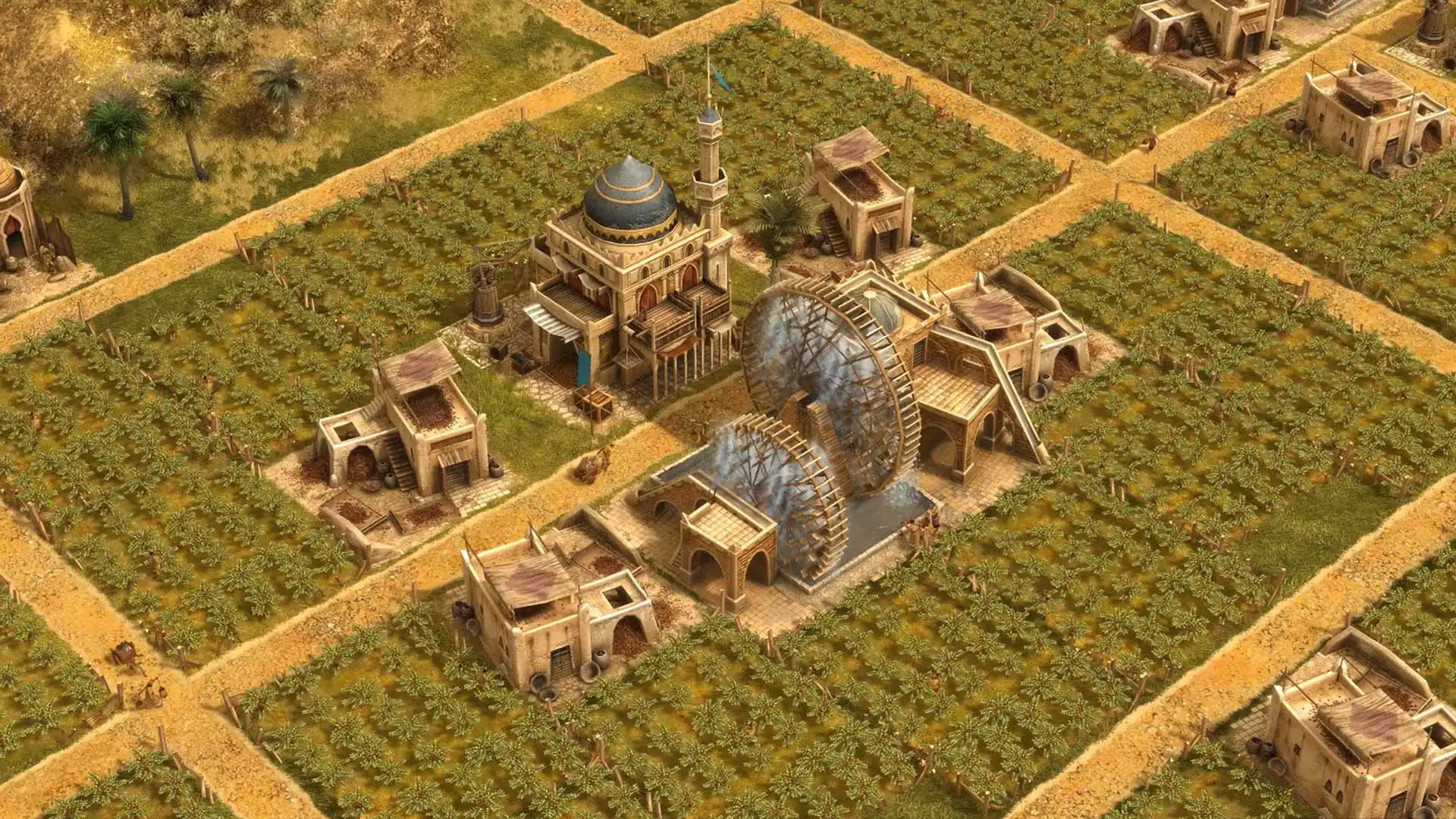
Manuel Reinher (Anno 1404) Manuel Reinher (Anno 1404) Game Director

“The Middle Ages play a major role in CATAN, but more in the sense of being set in a pre-industrial era.”

Benjamin Teuber (CATAN) Benjamin Teuber (CATAN) Game designer

“In the town itself, with all those medieval fortifications, that’s where the idea for Carcassonne came to me.”

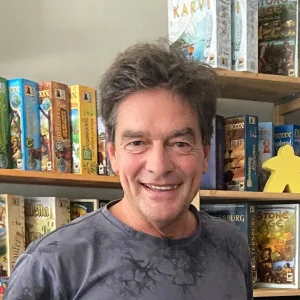
Klaus-Jürgen Wrede (Carcassonne) Klaus-Jürgen Wrede (Carcassonne) Game designer

“Gaming has one clear advantage over science: its appeal to the masses.”

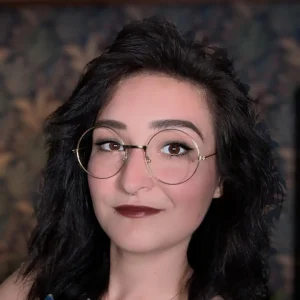
Lisa-Marie Fitzner (Randaliza) Lisa-Marie Fitzner (Randaliza) Content Creator

“The stereotype about the Middle Ages that annoys me the most is that of chronically oppressed women.”

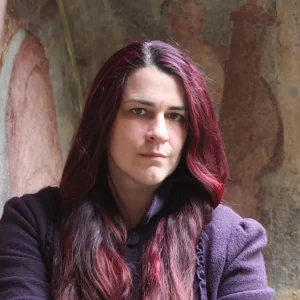
Aurelia Brandenburg Aurelia Brandenburg Historian · Game Studies

“Shedding a little light on the supposedly dark Middle Ages can be very rewarding.”

Dr. Andreas Moitzi (Copeylius) Dr. Andreas Moitzi (Copeylius) Content Creator · Historian PhD

“Why isn’t there an awesome Templar simulation out there yet, anyway?”

Dr. Joachim Rother (MDVAL) Dr. Joachim Rother (MDVAL) Templar scholar with a PhD · Content Creator

“If I want a medieval game, then I want a medieval game, not a fantasy game.”

Mháire Stritter (OrkenspalterTV) Mháire Stritter (OrkenspalterTV) Content Creator

“For me, the Middle Ages are a feeling, a vibe that you have to capture.”

Maximilian Knabe (HandOfBlood) Maximilian Knabe (HandOfBlood) Content Creator · Influencer

“Both role-playing games and LARP got me interested in history in the first place.”

Andrej Pfeiffer-Perkuhn (Geschichtsfenster) Andrej Pfeiffer-Perkuhn (Geschichtsfenster) History educator · Content Creator

“It´s the best thing when you come across history games that introduce you to aspects of history you didn’t know about before.”

Maurice Weber Maurice Weber Content Creator

“A good medieval game is, first and foremost, a good game.”

Stephan Bliemel (Steinwallen) Stephan Bliemel (Steinwallen) Content Creator

The games in the exhibition

What is a medieval game?

Medieval games are not historical documents — they are a reflection of our present day. Every castle, every dragon and every plague victim in these games tells us more about the time in which they were created than about the Middle Ages. The games selected for this exhibition tell their story of the Middle Ages in a wide-ranging and highly diverse manner.

Wait, what?

Is that AI?

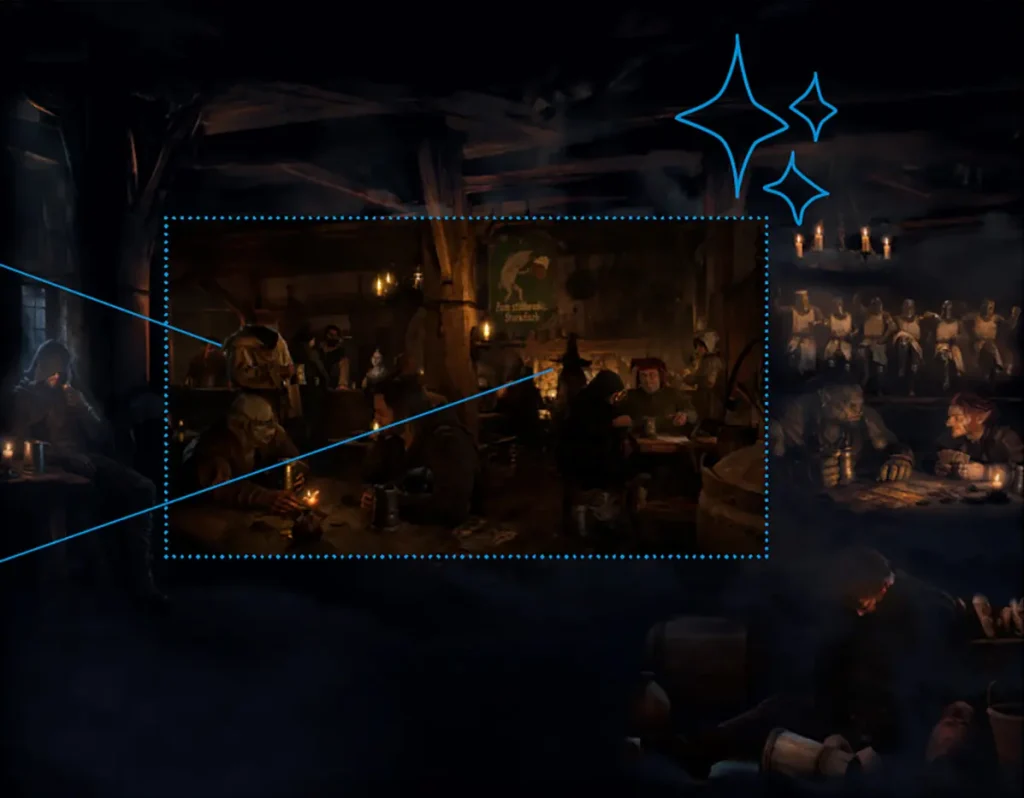
A little bit, yes! But AI was just one of several tools in a lengthy process: First came research and sketches, then AI helped with the basic motifs and individual characters – though only after many attempts and plenty of rework.

The rest was done by hand: image composition, lighting, and the final assembly in Photoshop, including fog and a few little Easter eggs for keen eyes.

Take a look at the entire process and make up your own mind!

The process as a PDF

"Let's play Mittelalter" im Hansemuseum Lübeck

Blick in unsere Ausstellung

Ein erster Blick in die Räume.

Wir freuen uns auf deinen Besuch!

This content is loaded from YouTube. Data will be transmitted to an external provider. Ihre Zustimmung wird gespeichert, gilt für alle Inhalte dieses Anbieters und lässt sich jederzeit in den Cookie-Einstellungen widerrufen.

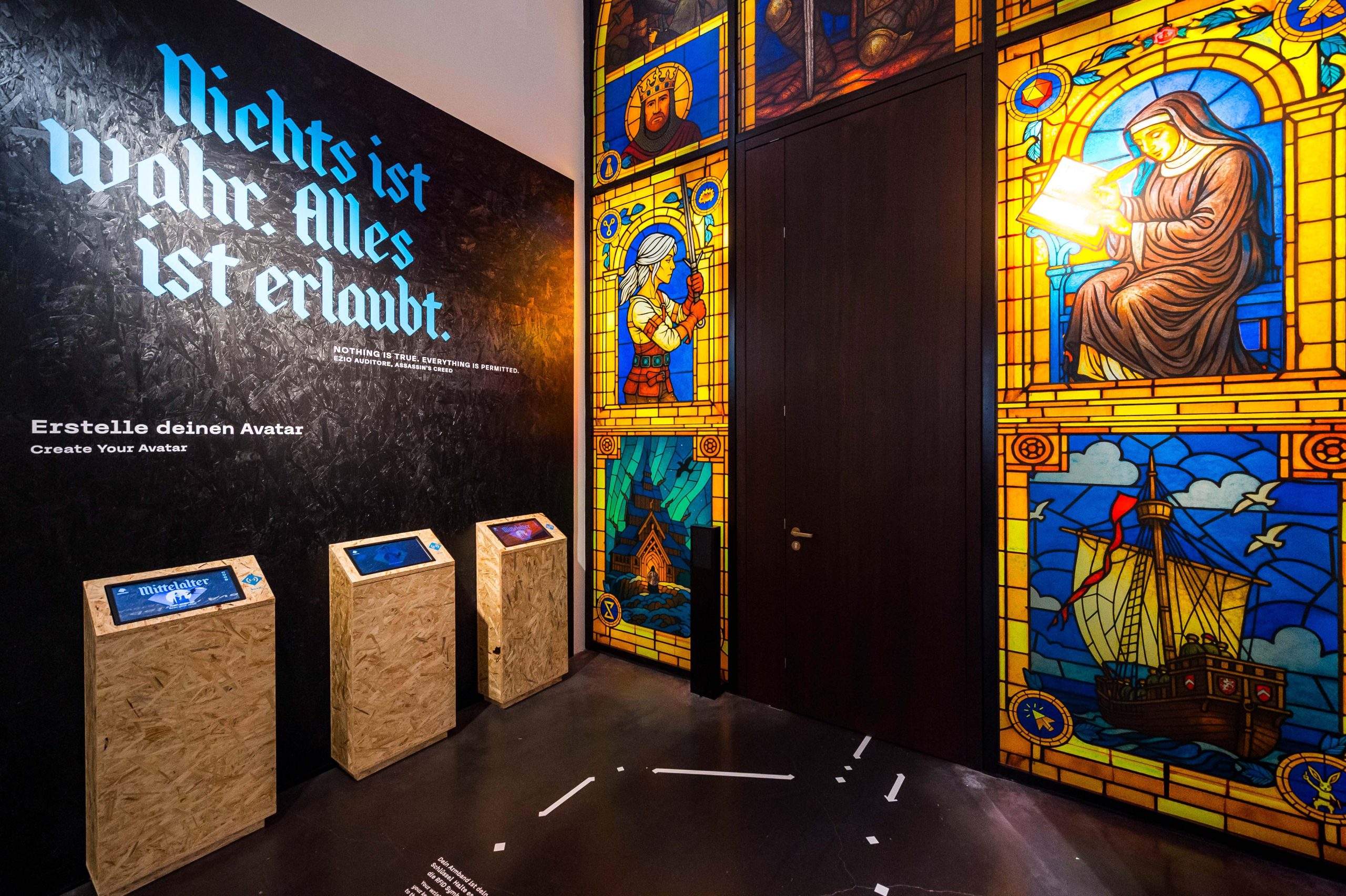
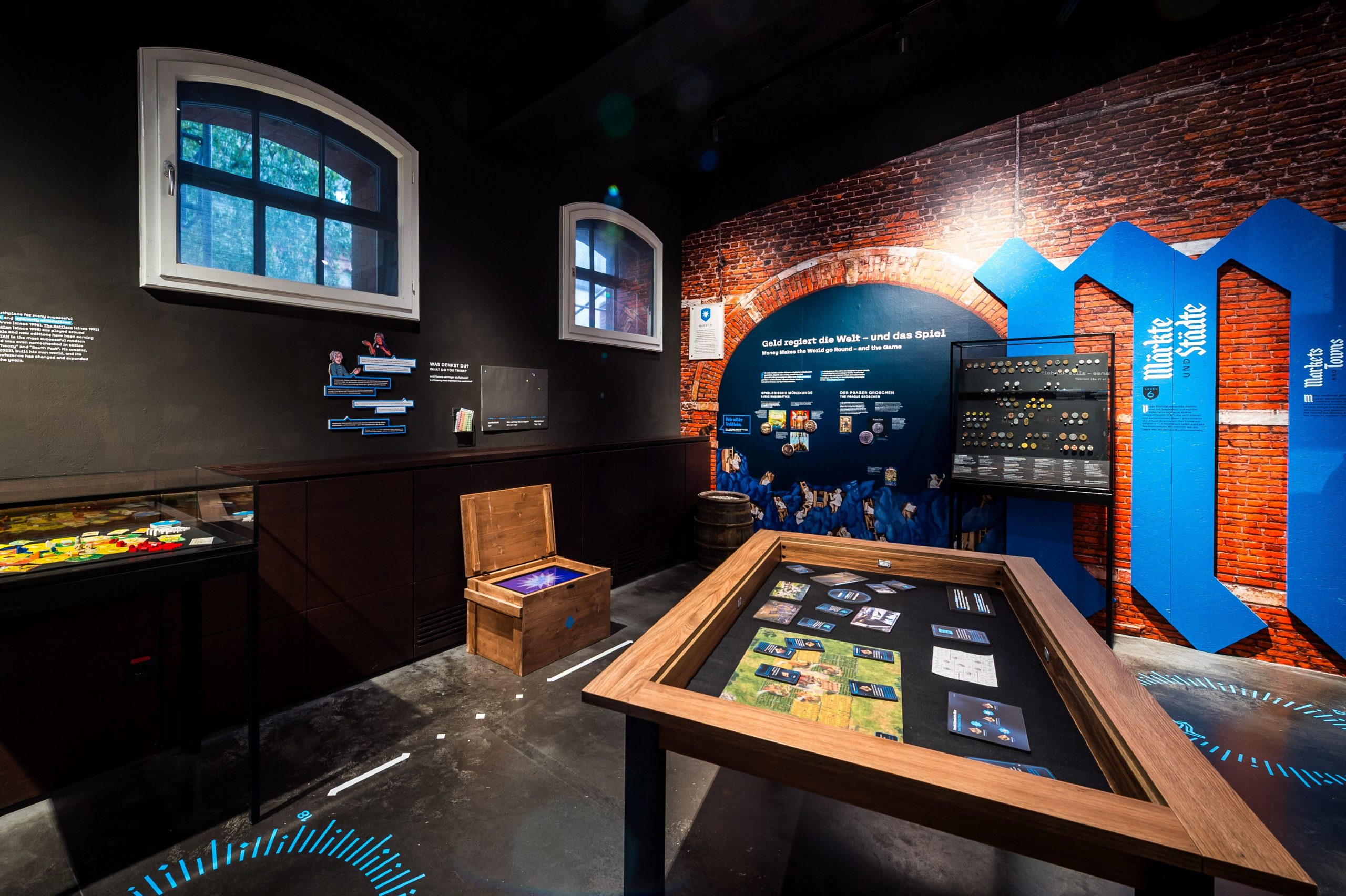
Exhibition impression
© Europäisches Hansemuseum / Olaf Malzahn
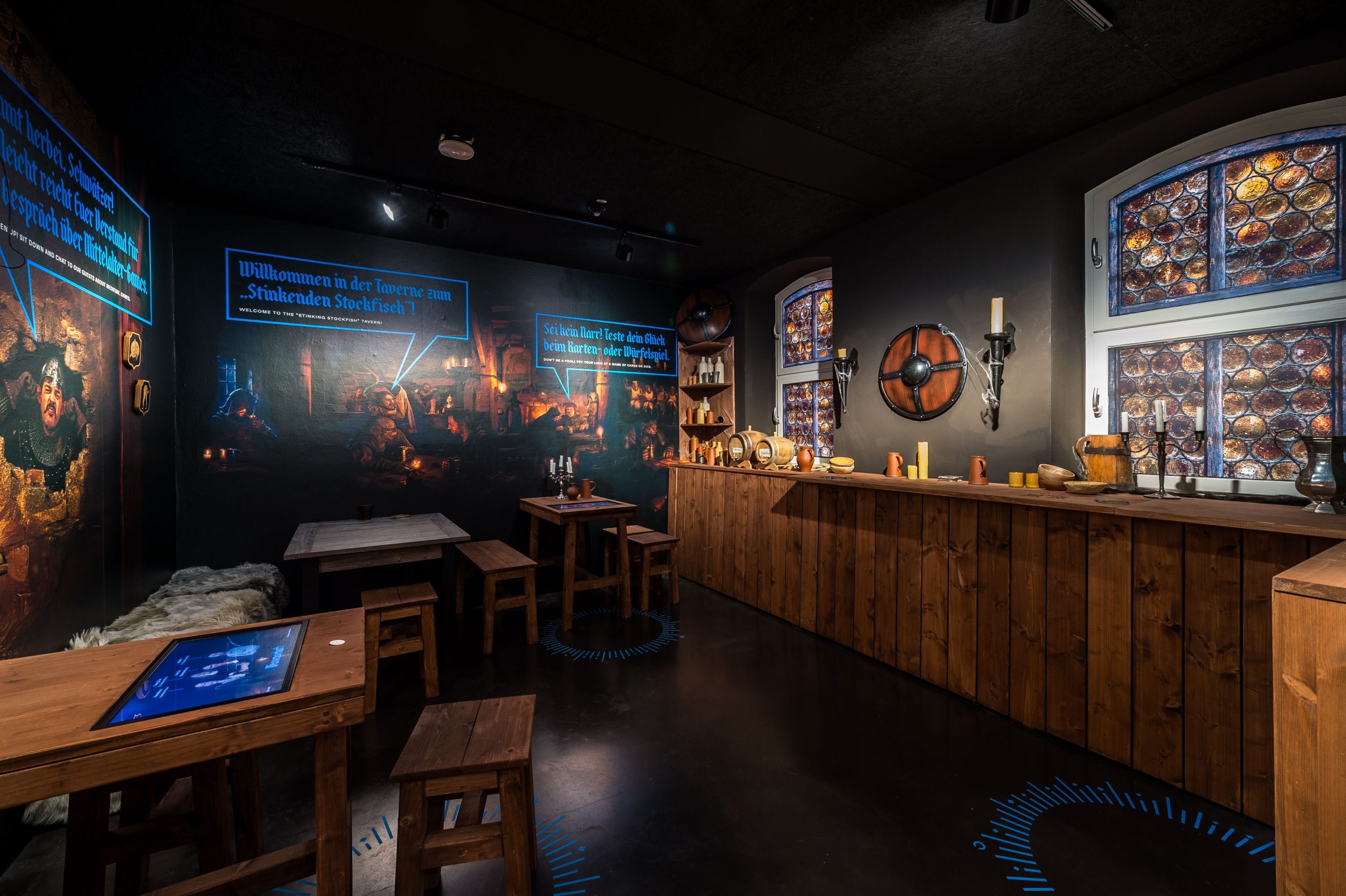
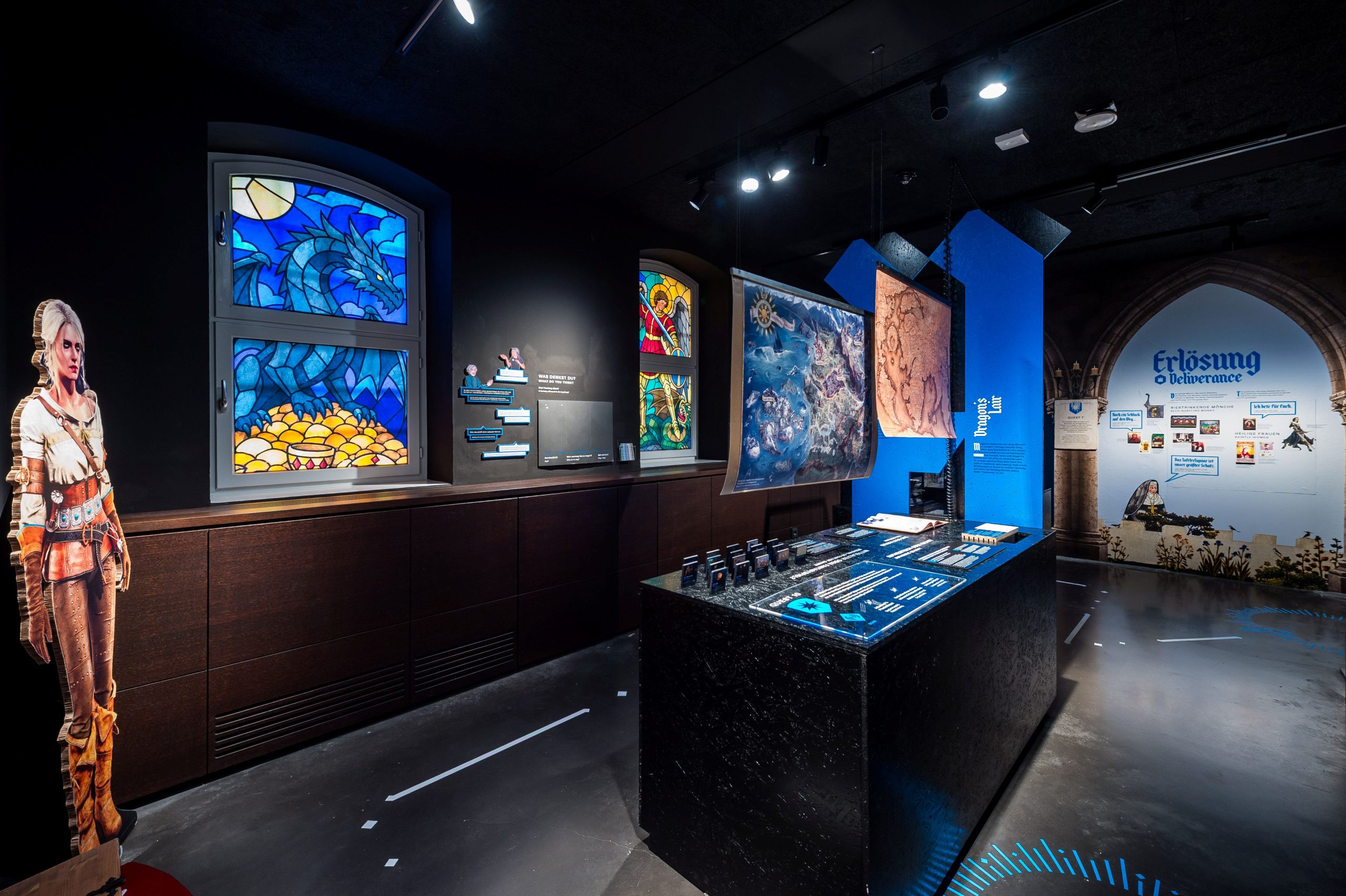
Exhibition impression
© Europäisches Hansemuseum / Olaf Malzahn
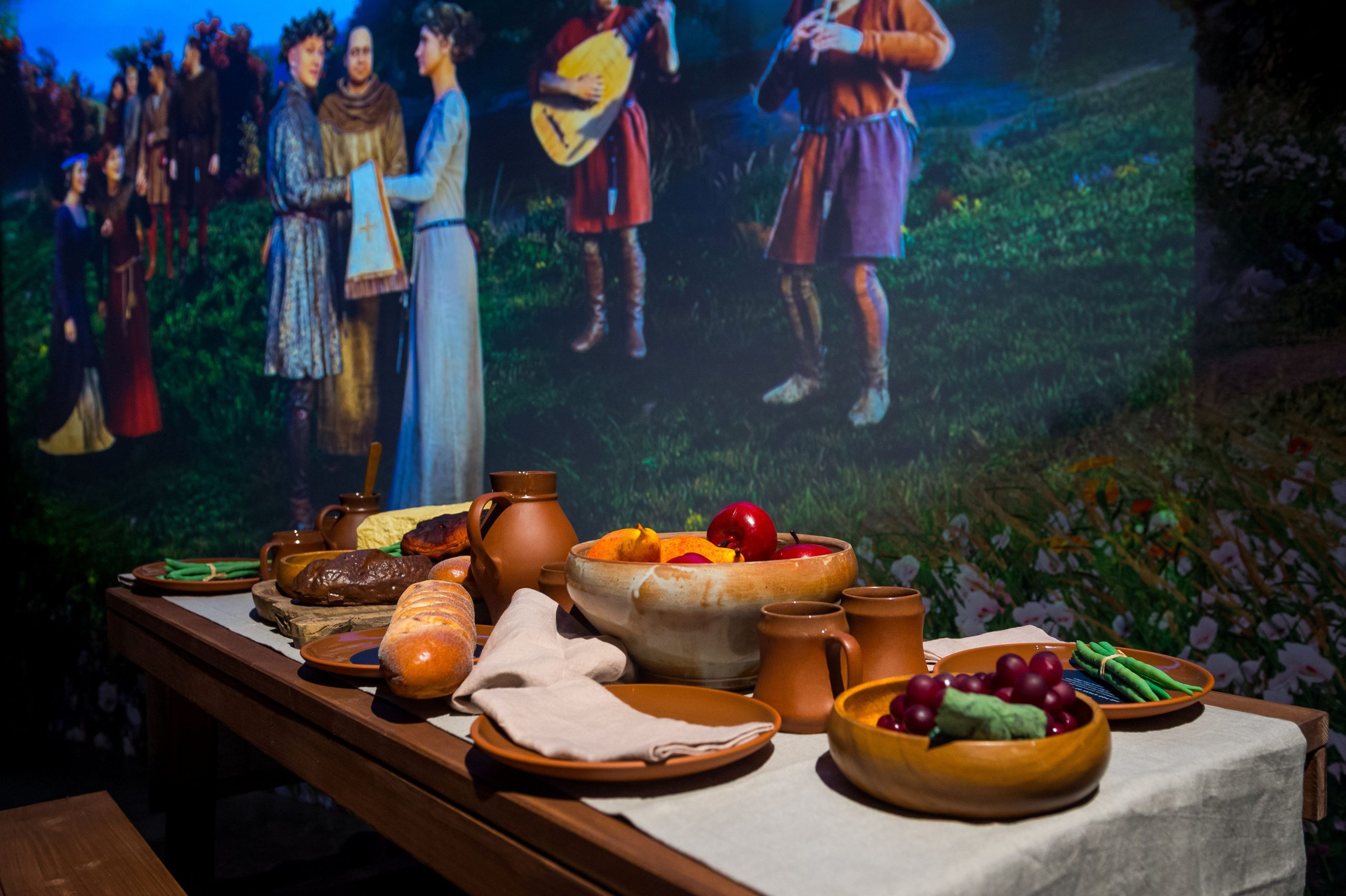
Exhibition impression
© Europäisches Hansemuseum / Olaf Malzahn
Exhibition impression
© Europäisches Hansemuseum / Olaf Malzahn
Exhibition impression
© Europäisches Hansemuseum / Olaf Malzahn

Plan your visit

LET'S PLAY: MITTELALTER

Get your tickets now

The exhibition will be on display from 9 October 2026 at the European Hansemuseum in Lübeck.

Book your ticket
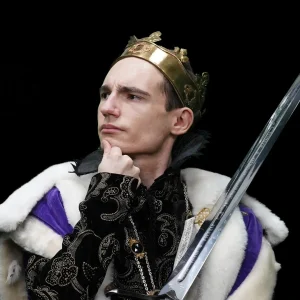
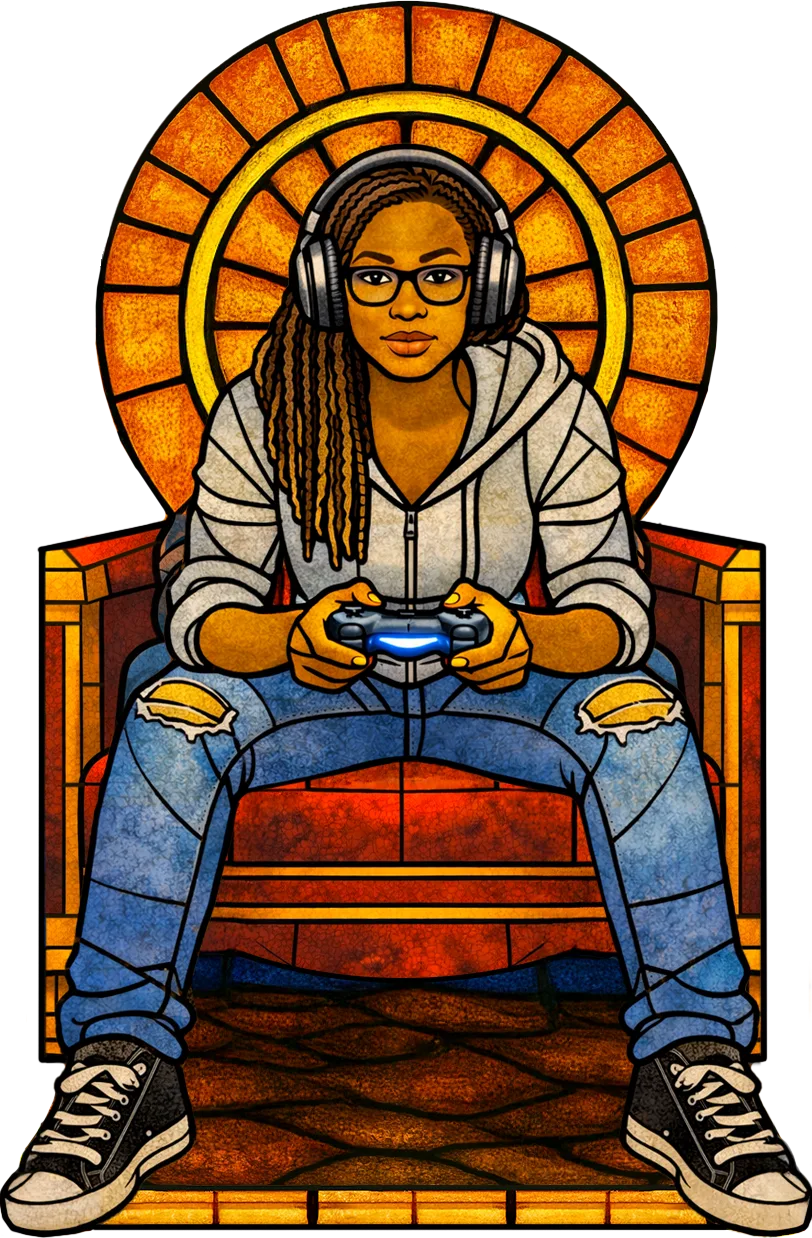
Gamer on the throne, from the key visual

Who are making this exhibition possible

Partners & Sponsors

Let’s Play Mittelalter. From 9 October 2026 to 31 October 2027 at the European Hansemuseum in Lübeck.

Bundesministerium für Forschung, Technologie und Raumfahrt

Special thanks to all supporters, sponsors and cooperation partners: